Both promise the same thing — a quick, makeup-safe way to lift excess shine on the go. But oil-control film and oil blotting paper feel, perform and sell differently. This guide compares them head to head: what each is, which actually absorbs more oil, which is gentler on makeup, and which one a brand should launch (or whether to carry both).
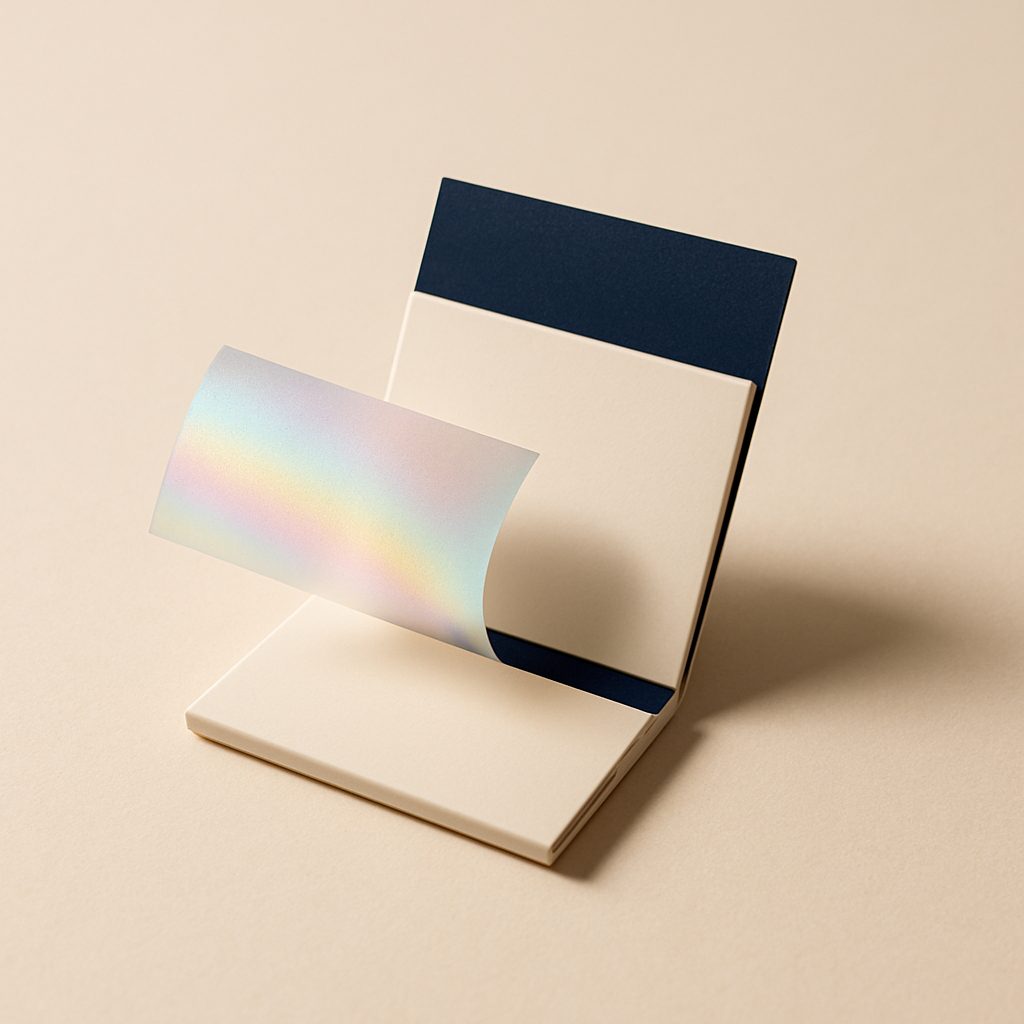 Sample image
The quick answer
Oil blotting paper is a natural- or pulp-fibre sheet that soaks up surface oil — affordable, gentle and the established favourite. Oil-control film is a thin polymer film with a micro-pore structure that turns clear on contact and tends to pick up more oil per touch, with a more premium feel and look. Paper wins on price and clean-beauty story; film wins on absorption, perceived value and a visible "it works" moment. Many brands carry both — paper as the volume staple, film as the premium hero.
What each one is
Oil blotting paper
A small sheet of absorbent fibre — linen, rice, hemp, abaca, pulp or charcoal-infused — pressed to oily areas to lift sebum without disturbing makeup. It's the format most consumers already know, easy to source, and the natural fit for vegan and clean-beauty positioning. Absorption depends mainly on the base material and weight, not the additive.
Oil-control film
A thin, often translucent polymer film (commonly a 3M micro-pore type) that absorbs oil through a porous structure and turns clear where it touches oil — a visible cue that it's working. It feels smoother and more premium than paper, photographs well, and supports higher-perceived-value formats like iridescent finishes and mirror compacts. It typically picks up roughly 30% more oil per sheet than a standard paper sheet.
Head-to-head
| Factor | Oil blotting paper | Oil-control film |
|---|---|---|
| Oil absorption | Good; depends on fibre & weight | Higher — ~+30% per touch, micro-pore |
| "It works" cue | Oil darkens the sheet | Film turns clear on contact — more visible |
| Feel | Soft, papery | Smooth, premium |
| Makeup-safe | Yes (press, don't rub) | Yes — tends to lift less makeup |
| Look / shelf appeal | Natural, clean-beauty | Premium; iridescent & compact options |
| Sustainability story | Strong — natural fibre, FSC, compostable options | Polymer-based; recyclable options, less "natural" |
| Price | Lower — volume staple | Higher — premium hero |
| Best for | Everyday, vegan/clean, mass retail | Premium, gifting, social/Gen-Z, men's high-sebum |
Absorption: does film really pick up more oil?
Generally, yes. A micro-pore film exposes more absorbing surface per contact and holds oil in its structure, so a single film sheet tends to lift more sebum than a single standard paper sheet — roughly 30% more in typical comparisons. That said, a high-quality, heavier natural-fibre paper can close much of the gap, and for many users one paper sheet is plenty. The honest framing for a brand: film is the stronger performer per sheet and the better "premium" story; paper is more than enough for everyday shine and costs less.
Feel, look & makeup
Film's smooth surface and turn-clear effect read as more premium and give a satisfying, visible result — useful for social content and unboxing. Both are makeup-safe when pressed (not rubbed); film tends to lift slightly less makeup because it grabs oil rather than dragging the fibre across the skin. For a setting-powder touch-up story, note that powder-coated setting-powder blotting paper is its own 2-in-1 category that re-mattifies as it blots.
Sustainability & packaging
Paper has the cleaner environmental narrative — natural fibres, FSC-certified options, recyclable or compostable formats — which suits vegan and clean-beauty brands. Film is polymer-based, so the sustainability story is weaker, though recyclable cases and refills help. Packaging cuts the other way: film pairs naturally with premium mirror compacts and magnetic gift boxes that justify a higher price, while paper suits slim booklets and pop-up cases.
Which should your brand launch?
A simple way to decide:
- Mass / everyday / clean-beauty / vegan → lead with oil blotting paper (lower cost, natural story, broad appeal).
- Premium / gifting / social / men's high-sebum → lead with oil-control film (higher absorption, premium feel, iridescent & compact formats).
- Want range depth → carry both: paper as the volume anchor, film as the premium hero — they share the same buyer and merchandise well together.
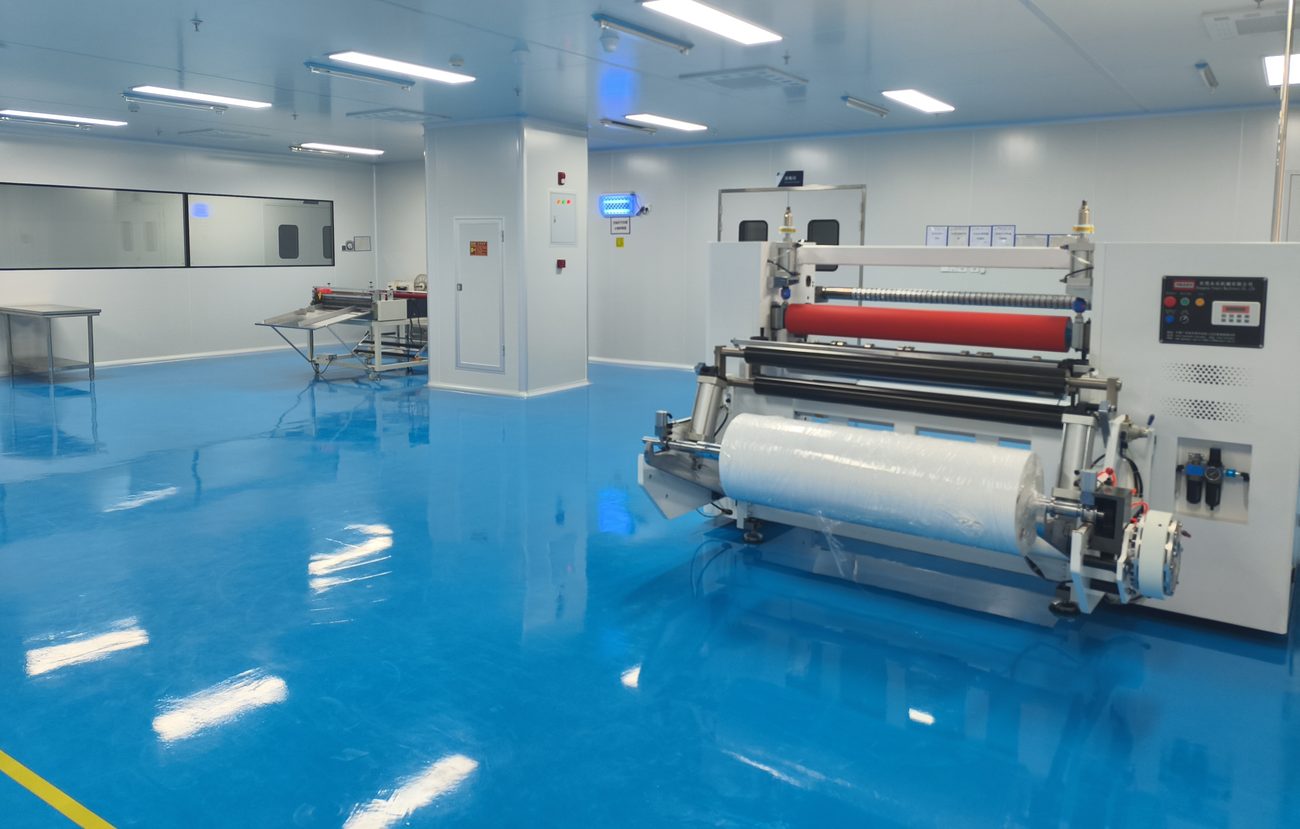 Inside our factory
Can one factory make both?
Yes — and it's the efficient way to do it. Oil blotting paper and oil-control film share converting, coating and die-cutting lines, so a true oil-control specialist makes both in-house on related equipment. That lets a brand launch a paper line and a film line from one audited supplier, one NNN and one quality standard — rather than sourcing the (harder-to-find) film from a separate vendor. Dedicated oil-control film makers are genuinely scarce, so securing one that also makes your paper is a real sourcing advantage. See how to vet a one-stop supplier in our multi-category sourcing guide.
Launching oil blotting paper, film, or both?
We make oil blotting paper (27 styles) and oil-control film (micro-pore & iridescent) under one audited roof — so you can sample both and carry the volume staple plus the premium hero from one supplier.
Request paper & film samples →Both formats · one supplier · MOQ from 3,000 · 24-hour quote · NNN on request
Educational content for brand and product teams. Ingredient and claim information is general and varies by market regulation; finished-product claims should be confirmed against the rules of your target market. Yanse Cosmetics is a contract manufacturer (OEM/ODM) and does not sell finished consumer goods under its own brand.