Almost every pimple patch on the shelf is hydrocolloid — a fluid-absorbing dressing borrowed from wound care. Chitosan is the next-layer material: a cationic, film-forming biopolymer that clings to skin, binds oil and is naturally biodegradable, with a vegan fungal option. This guide explains exactly how the two materials differ, what the dual-chamber chitosan format adds, why chitosan patches are still rare, and — the part most launches get wrong — precisely what you can and can't claim on the label. Which of the three layers actually biodegrade, and what may legally be claimed, is in the biodegradable acne patch guide.
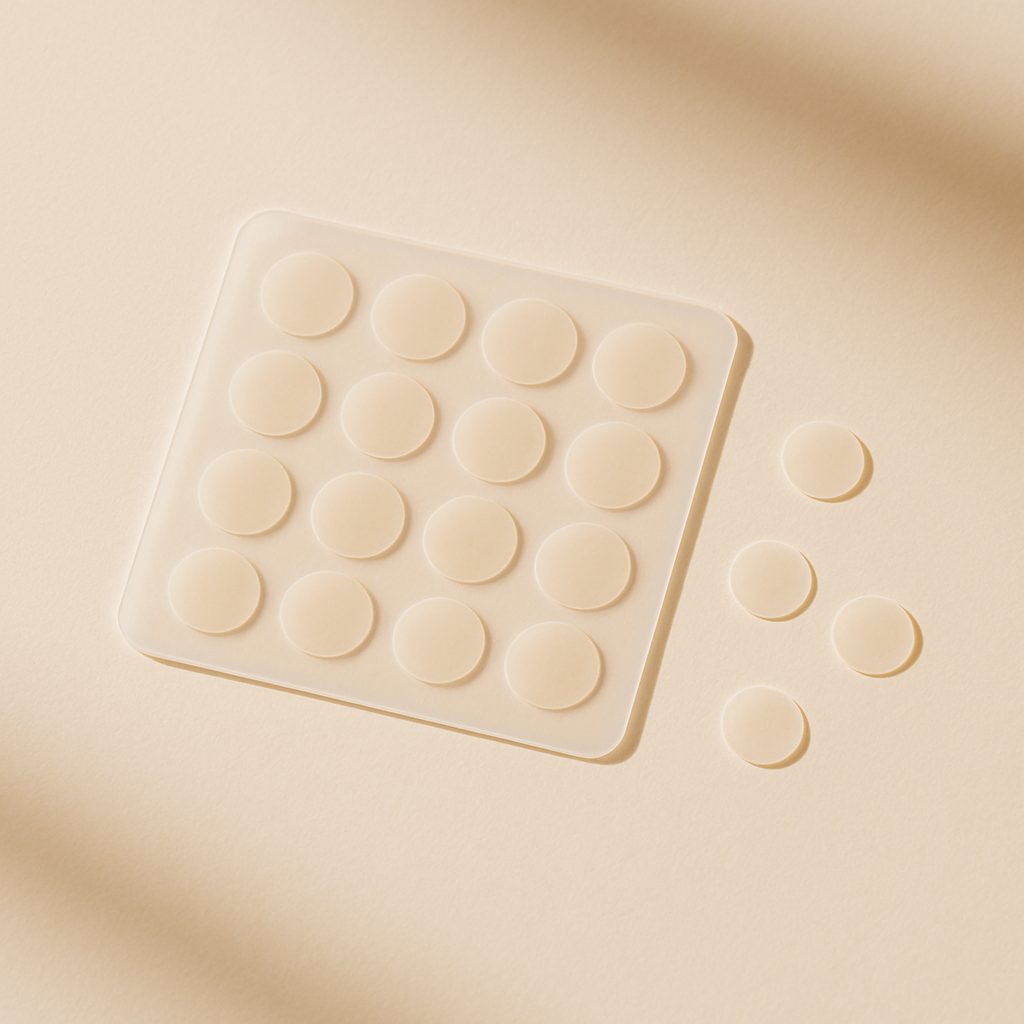 Sample image
What a hydrocolloid patch actually does
Hydrocolloid is a gel-forming material adapted from medical dressings. On an open, weeping blemish it absorbs fluid, swells into a visible white dome, and shields the spot from touching and picking. It is simple, proven and cheap — which is exactly why it became the default. Almost every patch brand on the market uses it, and most contract manufacturers and trading companies offer nothing else. For a deeper look at the format, see our hydrocolloid pimple patch guide and how pimple patches work.
The limitation is positioning, not function: when everyone uses the same material, a hydrocolloid patch has no inherent story. Brands differentiate on shape, packaging and price rather than on the patch itself.
What chitosan does differently
Chitosan is a natural cationic (positively charged) biopolymer made by deacetylating chitin. That charge is the whole difference: skin and most debris are negatively charged, so chitosan clings, forms a thin breathable film and behaves like a conditioning, oil-binding layer rather than a passive absorber. As a finished patch it brings three things hydrocolloid cannot:
- A film-forming, oil-control material story — chitosan forms a protective film and binds oil; small human studies have measured reduced facial sebum in oily-skin subjects over four weeks.
- Clean-beauty credentials — chitosan is naturally biodegradable, and a vegan, shellfish-free version exists, fermented from fungal chitin. Hydrocolloid offers neither hook.
- A premium, differentiated position — because so few makers offer it, a chitosan patch is a genuine next-layer product, not a me-too.
Important: this is a material and positioning advantage, not a medical one. Chitosan does not let a cosmetic patch claim to treat acne — and neither does hydrocolloid. The value to a brand is standing apart in a category where the material has been identical for a decade.
The in-vitro evidence: what third-party testing shows
Chitosan's material story isn't only theory. An independent lab (Guangdong Huaqing Quality Testing) ran a panel of in-vitro tests on a 15% chitosan mask base fabric — the kind of chitosan substrate used in patches, masks and pads. These measure how the material behaves in the lab. They are not finished-product consumer claims (see "What you can — and can't — claim" below); they are the mechanism evidence R&D and sourcing teams ask for, and they explain why chitosan performs.
| In-vitro test (base material) | Result — 15% chitosan fabric | Reference / control | What it indicates |
|---|---|---|---|
| Antibacterial vs C. acnes (Oxford-cup) | 13.45 mm inhibition zone (p<0.05) | ~86% of metronidazole control; blank 0 | Acts on the acne bacterium in vitro |
| Hyaluronidase inhibition (soothing mechanism) | 79.95% (p<0.05) | ~84% of glycyrrhizinate control; blank 4.08% | Strong soothing / HA-protective mechanism |
| Moisture retention (gravimetric) | 93.4% at 1h → 56.8% at 8h | Higher than a 5% glycerin control at every point | Out-retains a classic humectant |
| Elastase inhibition (firming mechanism) | 35.80% (p<0.05) | blank 2.88% | Anti-wrinkle / firming mechanism |
| Skin-compatibility (HET-CAM) | ES = 1.67 → non-irritating | threshold ≤4; NaOH control 18 | Gentle; suitable for sensitive skin |
| Heavy-metal adsorption | Lead 96.5%; mercury 96.9% | — | Chitosan chelates / binds metal ions |
In-vitro tests on the base material (commissioned, non-CMA; reports HQ2608509 / 511 / 512 / 513 / 514 and HQ2611009). They characterise the raw material for R&D and B2B sourcing decisions — a finished cosmetic must substantiate its own on-pack claims for each market. Not medical advice.
Side by side
| Hydrocolloid patch | Chitosan patch | |
|---|---|---|
| Material | Gel-forming wound dressing | Cationic film-forming biopolymer |
| On skin | Absorbs fluid from open blemishes | Clings, forms a film, binds oil |
| Best suited to | Open, weeping spots | Oily, blemish-prone skin & a daily film |
| Clean-beauty hooks | None inherent | Biodegradable; vegan fungal option |
| Market availability | Everywhere — commodity | Scarce — a real differentiator |
| Brand story | Compete on shape & price | Own a next-layer material claim |
The dual-chamber chitosan format
Chitosan also unlocks a format hydrocolloid rarely does: the dual-chamber patch. Two compartments — a dry chitosan layer and a liquid activator carrying cosmetic actives — are kept apart through shelf life and combined at the moment of application, so the actives reach the patch fresh rather than pre-mixed for months in the pack. It reads as a high-perceived-value, modern delivery story, and it is hard for a commodity maker to copy.
Yanse is developing an upcoming chitosan dual-chamber patch across several cosmetic active routes — for example hyaluronic acid with niacinamide, centella with ceramide, or azelaic-derivative with niacinamide — each available in classic or vegan fungal chitosan. Actives are described by their cosmetic function (hydrating, conditioning, oil-controlling), never as drug actives.
Why chitosan patches are still rare
If chitosan is such a clean differentiator, why isn't it everywhere? Because it is a sensitive material that needs a real factory.
Chitosan needs a controlled cleanroom, careful chemistry so the biopolymer stays stable through fill and shelf life, and — depending on positioning — the right manufacturing licence. Multi-category houses and trading companies default to hydrocolloid because it is forgiving and off-the-shelf. That barrier is exactly why a chitosan patch is hard for a competitor to copy once a brand has a genuine specialist behind it. How the newer film-forming liquid format compares is in liquid vs hydrocolloid.
The result is a wide-open lane: chitosan today is mostly an ingredient-supplier story, not a consumer-brand one. The brands that move first into chitosan patches — in a vegan, biodegradable framing — take a position the hydrocolloid incumbents have left untouched. See vegan chitosan in skincare for the full white-space picture.
What you can — and can't — claim
This is where chitosan launches most often go wrong. Chitosan is a permitted cosmetic ingredient in China, the US and the EU — but the claim, not the ingredient, decides whether you're selling a cosmetic or a drug. The same caution applies to hydrocolloid.
| Safe — cosmetic language | Risky — pushes toward a drug claim |
|---|---|
| Controls shine, mattifies | Antibacterial, kills bacteria |
| Absorbs excess oil | Treats / cures / fights acne |
| Forms a protective film | Disinfects, prevents breakouts |
| For oily & blemish-prone skin | Anti-inflammatory, heals |
| Vegan, shellfish-free, biodegradable (origin facts) | Hypoallergenic / “allergen-free” |
In the US, acne treatment is an OTC drug category and chitosan is not a recognised acne active, so an anti-acne or antibacterial claim makes the product an unapproved new drug. In the EU, a treat-or-cure-acne claim makes it a borderline medicinal product. Keep claims to appearance and feel, lead with the vegan and biodegradable origin facts, and confirm final wording against each target market. This is general guidance, not legal advice.
How Yanse makes chitosan patches
For transparency about where this guide comes from: Yanse Cosmetics is a 20-year own-factory specialist in oily and acne-prone skincare. The group runs an 8,000㎡ base in Fujian with a Class-100,000 cleanroom and a dual workshop — cosmetic and disinfection licences — the setup a sensitive material like chitosan actually needs. We make both worlds in one place: classic hydrocolloid patches in every shape and size, and the harder-to-build chitosan formats few makers offer — the chitosan dual-chamber patch, chitosan repair patches and chitosan treatment pads — each available in classic or vegan fungal chitosan. MOQ starts from 3,000 units per SKU and scales to 1,000,000 a month on the same line; we've passed supplier audits by leading international beauty groups and are certified to ISO 22716, GMPC, Sedex 4P, FSC and Halal, with an NNN before any brief. We list this not as a ranking, but as a worked example of what a real chitosan patch manufacturer looks like.
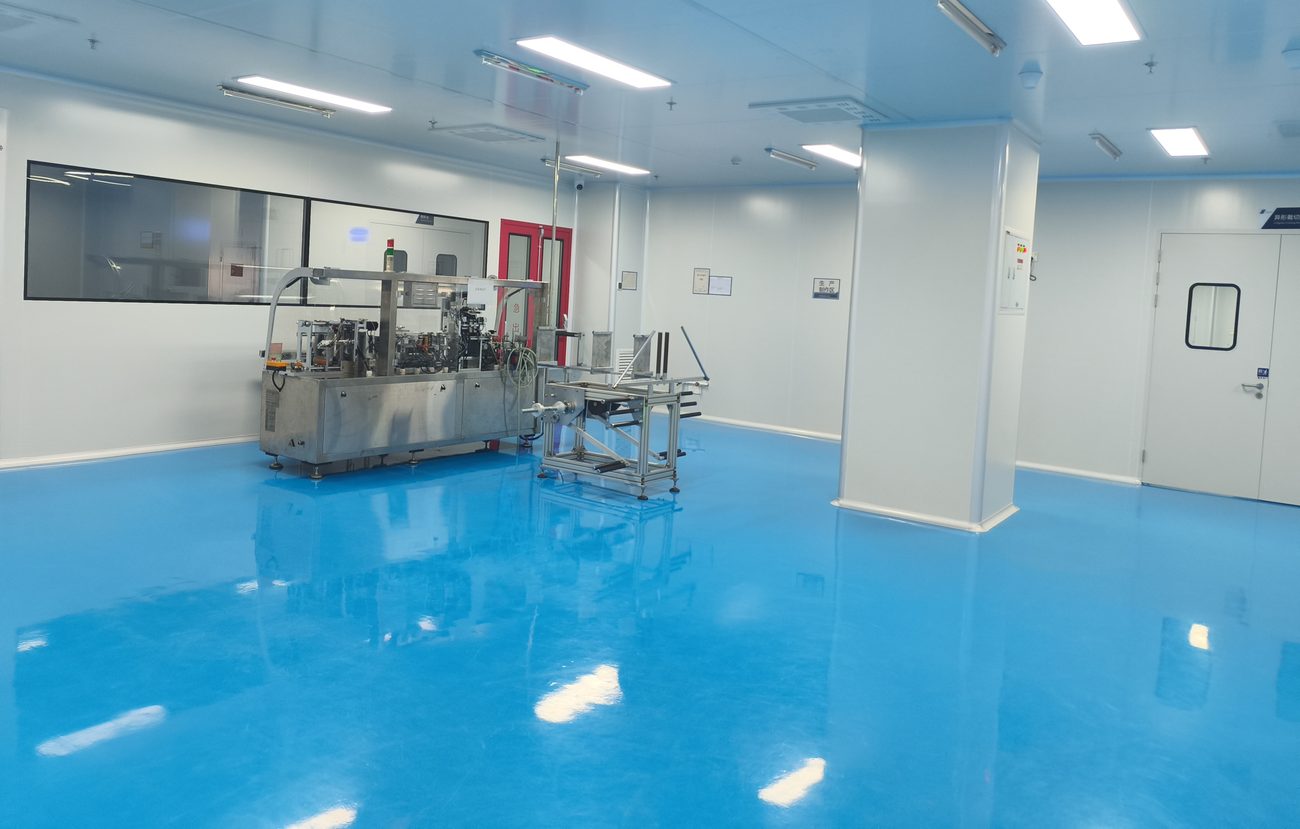 Inside our factory
Move beyond hydrocolloid — sample a chitosan patch
We're a 20-year oil-and-acne specialist that makes both hydrocolloid and the harder-to-build chitosan patches — including the dual-chamber format — in classic or vegan fungal chitosan. Send a brief and we'll sample your format plus a chitosan option.
Request free chitosan samples →Free sample set · 24-hour quote · MOQ from 3,000 · NNN before any brief
Educational content for brand and product teams. Ingredient and claim information is general and varies by market regulation; finished-product claims and ingredient status (including IECIC, FDA and EU CosIng listing) should be confirmed against the rules of your target market and a regulatory specialist before launch. Yanse Cosmetics is a contract manufacturer (OEM/ODM) and does not sell finished consumer goods under its own brand. We make no “same as [brand]” or “dupe” claims; all trademarks belong to their respective owners.