Chitosan is one of the most talked-about biopolymers in clean beauty — and one of the least available in finished goods. Almost every pimple patch on the shelf is hydrocolloid; almost every toner pad is salicylic acid; and the vegan, shellfish-free version of chitosan still lives mostly in ingredient catalogues, not on packaging. This guide explains what chitosan actually is and does, why it's called the “5th mask substrate,” the real difference between shellfish and vegan fungal chitosan, where the white space sits for a brand — and, crucially, exactly what you can and can't say on the label. Which of the three layers actually biodegrade, and what may legally be claimed, is in the biodegradable acne patch guide.
What is chitosan, and what does it do on skin?
Chitosan is a natural cationic (positively charged) biopolymer made by deacetylating chitin. That positive charge is the whole story: skin and most debris carry a negative charge, so chitosan clings, forms a thin breathable film, and behaves like a conditioning, oil-binding layer rather than a passive carrier. In skincare it shows up two ways — as an active in serums, masks and pad soaks, and as a fibre that can be spun into a mask or patch substrate.
On the evidence: peer-reviewed work documents chitosan’s film-forming and moisture-retaining behaviour, and small human studies have measured reduced facial sebum over four weeks in oily-skin subjects. That supports an oil-control and skin-conditioning story. It does not license a drug claim — more on the exact wording below, because this is where most chitosan launches get into trouble.
Why chitosan is called the “5th mask substrate”
Sheet masks are usually judged by their fabric. Four substrates dominate the premium conversation; chitosan is the emerging fifth. A shortlist of chitosan suppliers — sorted by whether they are a mill, a converter or a finished-goods factory — is in the chitosan sourcing guide.
| Substrate | Character | Trade-off |
|---|---|---|
| Spunlace nonwoven | The commodity sheet — cheap, ubiquitous | No story, no inherent benefit |
| Cotton | Soft, natural-feeling | Bulky, lower serum cling |
| Hydrogel | Cooling, high adhesion, two-piece | Heavier, costlier, breakable |
| Bio-cellulose | Second-skin fit, premium feel | Expensive, slow biotech production |
| Chitosan | Cationic fibre — clings, forms a film, holds moisture, naturally biodegradable | Scarce; few factories engineer it as a substrate |
The chitosan substrate can be spun into fibre and bonded without chemical adhesives, giving a sheet that grips skin, limits evaporation of the serum, and is inherently biodegradable. That combination — performance plus a clean, compostable end-of-life — is why it reads as a premium “next substrate” story rather than another nonwoven. YANSE COS’s chitosan soothing mask is built on exactly this material.
Vegan vs shellfish-derived chitosan — the real difference
This is the single most important sourcing decision, and the biggest open lane in the market.
| Conventional chitosan | Vegan fungal chitosan | |
|---|---|---|
| Source | Shrimp / crab shells | Fermented fungal chitin (Aspergillus / mushroom mycelium) |
| Positioning | Marine-derived | Vegan, shellfish-free, clean-label |
| Allergen note | Crustacean origin | Avoids crustacean origin |
| Supply & cost | Mature, lower cost | Newer, premium — but a genuine differentiator |
Almost every chitosan finished product on the market today — including the few premium chitosan masks — is shellfish-derived. The vegan, fungal version exists at the ingredient tier but is barely used as a marketed hook by any consumer brand. For a Western clean-beauty audience that screens for vegan and allergen-friendly, that is an unoccupied position. Offering a vegan chitosan SKU — or a classic-and-vegan pair — lets a brand own a claim its competitors haven’t taken.
The white space: chitosan patches & pads barely exist
Search the acne aisle and you’ll notice something: chitosan is missing from the two formats where it would shine most.
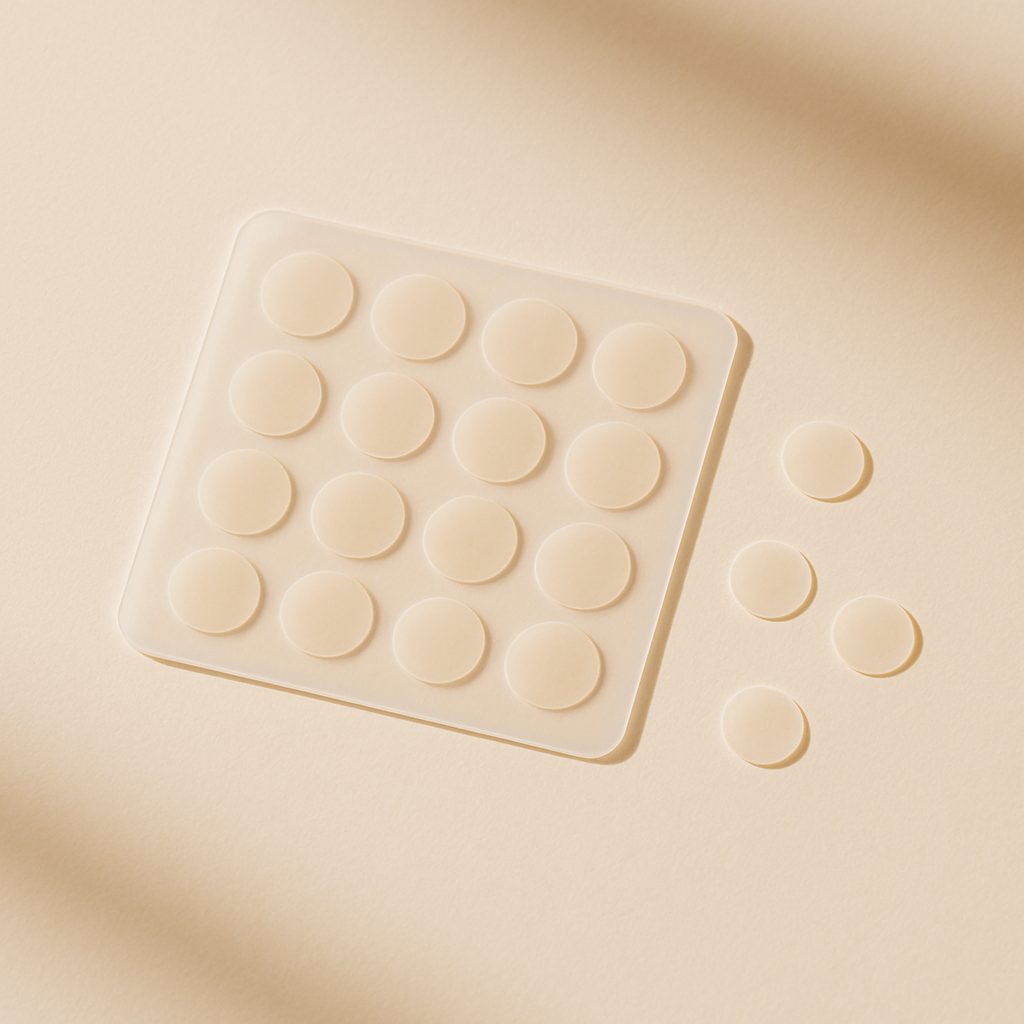
- Pimple patches are almost entirely hydrocolloid. A chitosan, film-forming patch — especially a vegan (fungal-grade, non-animal) one — is a real next-layer story, not a me-too. See our hydrocolloid patch guide and how pimple patches work.
- Treatment & toner pads are dominated by salicylic acid; chitosan pads are scarce because they’re harder to formulate and fill. See treatment-pad OEM manufacturers and chitosan & hypochlorous actives.
The pattern is consistent: chitosan is an ingredient-supplier story far more than a consumer-brand one. The brands that move first into chitosan patches and pads — in a biodegradable framing, vegan with the fungal grade — take a position the incumbents have left wide open.
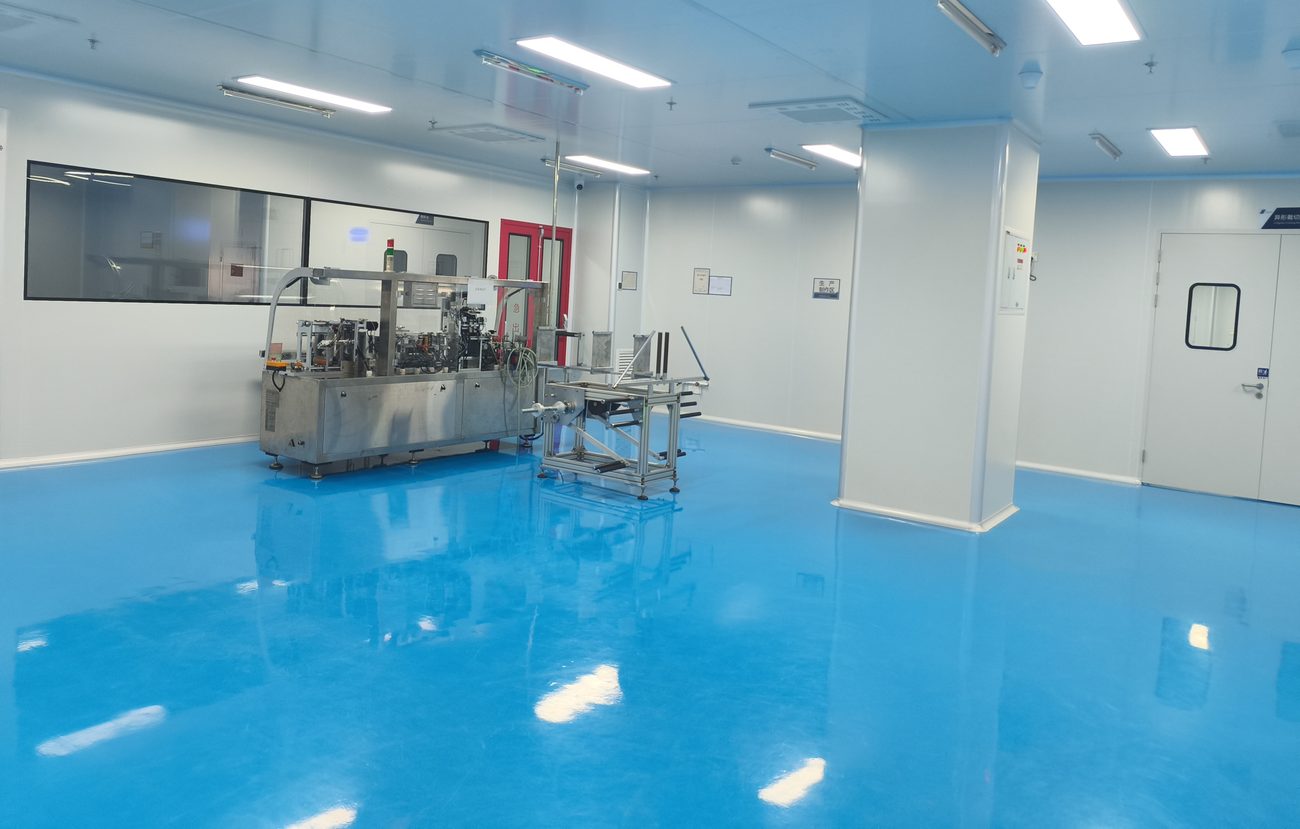
Chitosan is a sensitive active and a specialist substrate. It needs a controlled cleanroom, careful soak/fibre chemistry so the material stays stable, and — depending on positioning — the right manufacturing licence. Multi-category houses and trading companies default to commodity actives, which is precisely why a chitosan format is hard for a competitor to copy once you have a real factory behind it.
What you can — and can’t — claim on a chitosan product
This is where chitosan launches most often go wrong. The ingredient is a permitted cosmetic ingredient in China, the US and the EU — but the claim, not the ingredient, decides whether you’re selling a cosmetic or a drug. Get this right and chitosan is a clean differentiator; get it wrong and you’ve created an unapproved drug.
| Safe — cosmetic language | Risky — pushes toward a drug claim |
|---|---|
| Controls shine, mattifies | Antibacterial, kills bacteria |
| Absorbs excess oil | Treats / cures / fights acne |
| Forms a protective film | Prevents breakouts, disinfects |
| Helps retain moisture; for oily & blemish-prone skin | Anti-inflammatory, heals |
| Vegan, shellfish-free, biodegradable (origin facts) | Hypoallergenic / “allergen-free chitosan” |
In the US, acne treatment is an OTC drug category and chitosan is not a recognised acne active, so an anti-acne or antibacterial claim makes the product an unapproved new drug. In the EU, a treat-or-cure-acne claim makes it a borderline medicinal product. None of the three markets requires you to disclose a shellfish origin on a cosmetic label — but choosing vegan fungal chitosan sidesteps the crustacean-origin question entirely. Keep claims to appearance and feel, lead with the vegan/biodegradable origin facts, and confirm final wording against each target market. This is general guidance, not legal advice.
How YANSE COS makes chitosan formats
YANSE COS offers chitosan sheet-mask, treatment-pad and patch projects. Material grade, origin, test evidence and finished-product claims must be agreed for each project. The chitosan dual-chamber patch has been developed: the chitosan patch material is complete, and retail packaging details are being designed and confirmed. Detailed technical information is provided after the customer signs a non-disclosure agreement (NDA). Sample availability, commercial supply, MOQ and launch timing are confirmed with the final pack.
 Inside our factory
Building a chitosan mask, patch or pad — vegan or classic?
Send your brief for a chitosan mask, pad or patch project. Available evaluation samples and supporting material documents are confirmed for the selected format. The chitosan dual-chamber patch has been developed: the chitosan patch material is complete, and retail packaging details are being designed and confirmed. Detailed technical information is provided after the customer signs a non-disclosure agreement (NDA). Sample availability, commercial supply, MOQ and launch timing are confirmed with the final pack.
Request free chitosan samples →Free sample set · 24-hour quote · MOQ from 3,000 · NNN before any brief
Educational content for brand and product teams. Ingredient and claim information is general and varies by market regulation; finished-product claims and ingredient status (including IECIC, FDA and EU CosIng listing) should be confirmed against the rules of your target market and a regulatory specialist before launch. YANSE COS is a contract manufacturer (OEM/ODM) and does not sell finished consumer goods under its own brand. We make no “same as [brand]” or “dupe” claims; all trademarks belong to their respective owners.