Before you private-label an acne or oil-control product, the single biggest compliance trap is claims and drug classification. The same pimple patch can be a cosmetic in the EU and an over-the-counter drug in the US — purely because of one active or one word on the label. This guide maps how acne and oil-control skincare is regulated across the five markets brands ask about most: the United States, the European Union, the United Kingdom, the Middle East (GCC) and China.
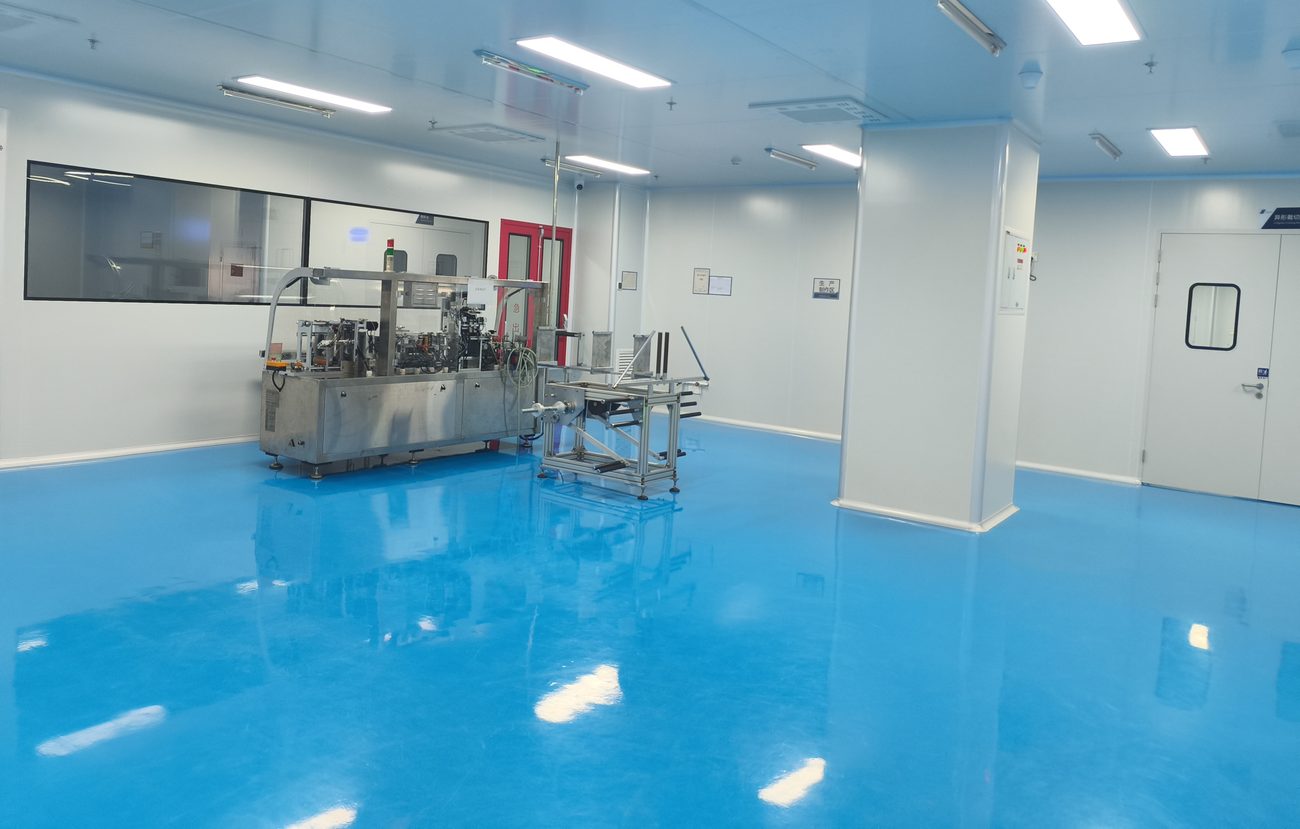 Inside our factory
The one rule that catches every new brand: claims decide your path
Across every market, one principle governs everything else: what you claim determines whether your product is a cosmetic or a drug. A cosmetic cleanses, mattifies or improves the appearance of skin. The moment you claim it treats, cures or prevents a condition — including acne — most regulators reclassify it as a medicine or OTC drug, with a far heavier compliance burden. So the first decision isn't a formula; it's the language and the actives, because those two choices set the whole regulatory path.
This is why the same physical product lands in different boxes by market. A salicylic-acid pad sold as "exfoliating toner pads" in the EU is a cosmetic; the same pad sold in the US as an "acne treatment" with a drug active is an OTC drug. Get the claim and active strategy right per market and the rest is paperwork.
United States — where acne actives become OTC drugs
The US splits acne and oil-control products into two regimes. Plain cosmetics — blotting paper, oil-control film, toner pads with no drug active, plain hydrocolloid patches — fall under MoCRA (the Modernization of Cosmetics Regulation Act), which requires facility registration and product listing but no pre-market approval.
But add an acne drug active and you cross into OTC-drug territory under FDA Monograph M006, which covers topical acne actives such as benzoyl peroxide (effective up to 2.5–10%), salicylic acid (0.5–2%), sulfur and resorcinol. An acne product with these actives is a non-prescription drug: it needs an OTC Drug Facts label, facility registration, product listing, and manufacture under drug-grade cGMP. Sunscreen is also an OTC drug in the US (Monograph M020) — so an oil-control SPF carries the same drug obligations.
If your hero ingredient is benzoyl peroxide or salicylic acid and your US claim is "clears acne", you are selling a drug, not a cosmetic — even though it ships next to your toners. Plan the Drug Facts label and drug cGMP from day one, or reposition the claim and active to stay cosmetic.
European Union & United Kingdom — strict claims, no "treats acne"
The EU regulates all of these as cosmetics under Regulation (EC) 1223/2009 — including sunscreen, which (unlike the US) is a cosmetic here. Before sale you need a CPNP notification, an EU-based Responsible Person, a Product Information File, and a two-part Cosmetic Product Safety Report (CPSR) signed by a qualified safety assessor.
The strict part is claims. Under the Common Criteria, Regulation (EU) 655/2013, claims must be legal, truthful, evidence-backed, honest and fair — and a cosmetic cannot make medicinal claims like "treats acne", "cures breakouts" or "anti-inflammatory". Compliant alternatives keep it cosmetic: "helps reduce the appearance of blemishes", "mattifies oily skin", "helps keep pores looking clear". The UK mirrors this post-Brexit but on its own register: an SCPN notification and a UK-based Responsible Person (Northern Ireland still uses CPNP), so brands selling both must notify twice.
Middle East (GCC) — Halal is the entry ticket
In the Gulf, oil and acne products are in high demand — heat and strong sun make oil control, breakout care and SPF year-round needs. Regulation runs through national bodies and Gulf standards; the one most brands underestimate is Halal. While not always legally mandatory, it is effectively the entry ticket: a large share of GCC consumers prefer Halal-certified beauty, and the Gulf standard GSO 2055-4 defines Halal cosmetics — no pork-derived ingredients or denatured alcohol, with segregated production. For an oil & acne line aimed at the region, pair Halal positioning with SPF.
Chitosan — a star active in modern acne patches and masks — is most commonly sourced from shellfish. That makes it neither vegan nor automatically Halal-friendly. For Gulf or vegan lines, specify plant- or fungal-derived chitosan and disclose the source. (Yanse can supply both routes.)
China — special vs general cosmetics
China regulates through the NMPA and splits products into two tracks. General cosmetics — most oil-control and acne-adjacent products — need a filing, typically cleared in a few months. Special cosmetics — including sunscreen, whitening, hair dye and perms — require full registration, a longer pre-market process. So an oil-control SPF that's a simple cosmetic in the EU and an OTC drug in the US is a registered special cosmetic in China — three different regimes for one product type.
One product, five rulebooks — at a glance
| Market | Acne actives (BPO / salicylic) | Sunscreen | Pre-market requirement |
|---|---|---|---|
| United States | OTC drug (Monograph M006) | OTC drug (M020) | MoCRA registration + listing; Drug Facts + drug cGMP if active |
| European Union | Cosmetic (no medicinal claims) | Cosmetic | CPNP + EU Responsible Person + CPSR |
| United Kingdom | Cosmetic (no medicinal claims) | Cosmetic | SCPN + UK Responsible Person |
| Middle East (GCC) | Cosmetic; Halal expected | Cosmetic; high demand | National registration; Halal per GSO 2055-4 |
| China | General cosmetic (filing) | Special cosmetic (registration) | NMPA filing or registration |
The pattern is clear: claims and actives, not the physical product, decide the regime — and they differ enough that a single artwork and a single dossier rarely clear all five markets. Build per-market from the brief.
The baseline every market expects: ISO 22716
Wherever you sell, buyers and regulators expect the factory to run on ISO 22716 — Cosmetics Good Manufacturing Practice, also written as GMPC. It is the global baseline that underpins your CPSR, your MoCRA cGMP expectations and your retailer audits. Acne patches positioned as medical devices add ISO 13485. Beyond these, value certifications — Halal, Vegan Society, Leaping Bunny, COSMOS — open specific markets and shelves but are optional, not the legal floor.
Who owns the formula and the safety file?
A compliance question that catches brands late: ownership. By default, the formula belongs to the manufacturer — even if you paid a development fee — unless a written agreement assigns it to you. Before sharing any brief, protect yourself with an NNN agreement (Non-Disclosure, Non-Use, Non-Circumvention), which is stronger than a Western NDA for China manufacturing, plus a manufacturing agreement that assigns formula and design IP to your brand. Clarify early who holds the CPSR and acts as Responsible Person, since that determines who can legally place the product on the EU/UK market.
How Yanse handles this
For transparency about where this guide comes from: Yanse Cosmetics is an oil & acne contract manufacturer (OEM/ODM), and we build to the target market's rules from the brief. That means choosing actives and drafting claims for the regime you're selling into, manufacturing under ISO 22716 / GMPC with dual cosmetic and disinfection licences, and supporting the dossiers your market needs — CPNP/CPSR for the EU, SCPN for the UK, MoCRA listing for the US, NMPA filing for China — plus Halal and vegan routes (including plant/fungal chitosan) where the market calls for it. We also sign an NNN and assign formula IP to your brand. We don't sell finished consumer goods under our own name; we help you launch yours, compliantly.
Launching an oil & acne line across markets?
Tell us your target markets and we'll scope the actives, claims and documents that keep your product compliant — and return a sample set built to those rules. ISO 22716 / GMPC, NNN on request, support for CPNP, SCPN, MoCRA and NMPA.
Scope my compliant product →ISO 22716 · NNN on request · MOQ from 3,000 · 24-hour quote
Educational content for brand and product teams; not legal or regulatory advice. Requirements change and vary by market and product — always confirm the current rules of your target market with a qualified regulatory consultant or your Responsible Person before finalising formulas, claims and labels. Yanse Cosmetics is a contract manufacturer (OEM/ODM) and does not sell finished consumer goods under its own brand.