Most sheet masks and treatment pads are built on a plain, inert nonwoven — spunlace polyester, cotton or viscose — chosen for cost and drape, not performance. Chitosan nonwoven is a different class of substrate: a cationic, film-forming biopolymer that actively contributes to the formula, is naturally biodegradable, and comes in a vegan fungal option. This guide compares the two, shows the third-party in-vitro evidence, and — the part most launches get wrong — sets out exactly what you can and can't claim.
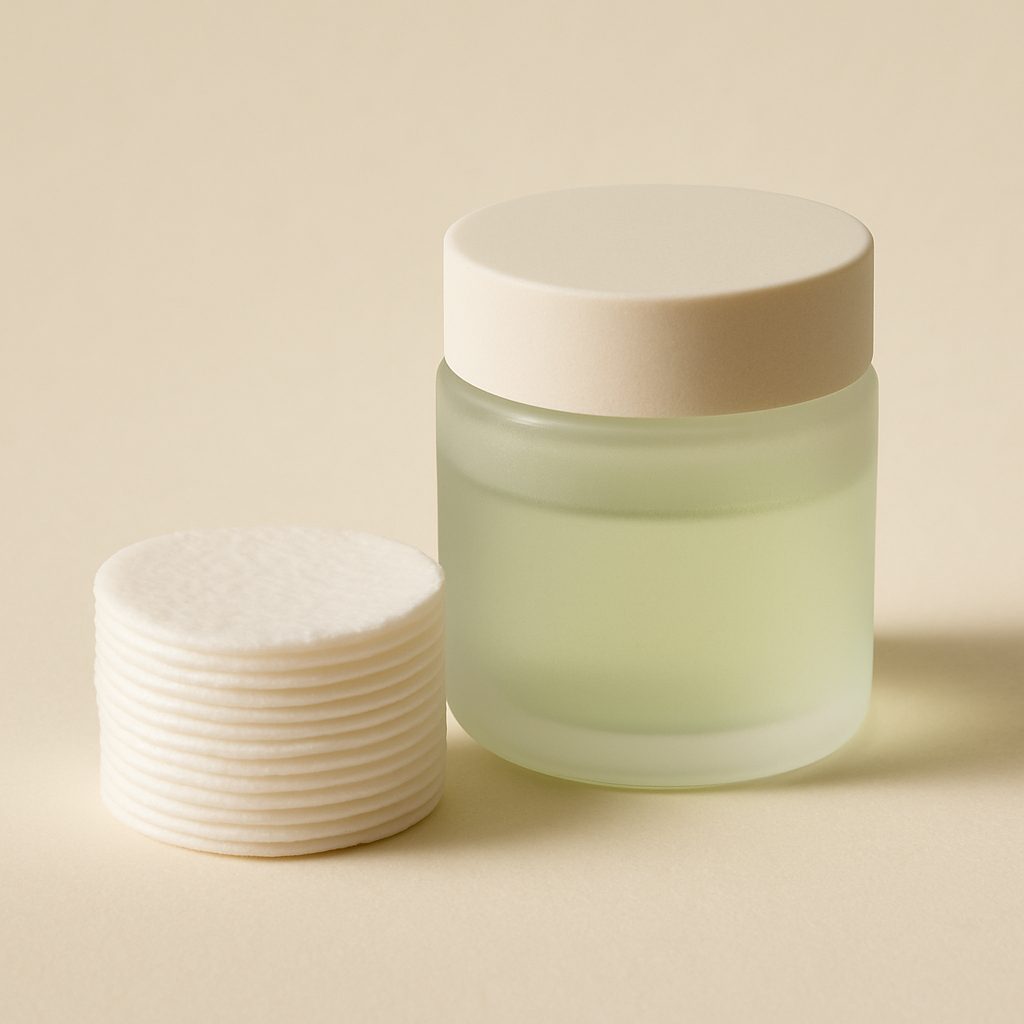 Sample image
What a plain nonwoven actually is
Spunlace polyester, cotton and viscose nonwovens are inert carriers. Their job is to hold and release essence, sit comfortably on skin, and cost as little as possible. They are proven and cheap — which is why the vast majority of masks and pads use them. The trade-off is that an inert substrate brings no story of its own: brands differentiate on GSM, drape and the serum, never on the cloth.
What chitosan nonwoven does differently
Chitosan is a natural cationic (positively charged) biopolymer. That charge is the whole difference: skin and most debris are negatively charged, so a chitosan substrate clings, forms a thin breathable film and behaves like a conditioning, oil-binding layer rather than a passive sponge. As a mask or pad base it brings three things a plain nonwoven cannot:
- A functional, film-forming, oil-binding substrate — the cloth itself is part of the claim, not just a carrier.
- Clean-beauty credentials — naturally biodegradable, with a vegan, shellfish-free fungal version; spunlace polyester offers neither.
- A premium, differentiated position — chitosan is scarce as a finished-product substrate, so it is a genuine next-layer story.
The in-vitro evidence: what third-party testing shows
An independent lab (Guangdong Huaqing Quality Testing) ran a panel of in-vitro tests on a 15% chitosan mask base fabric. These describe how the material behaves in the lab — they are not finished-product consumer claims (see "What you can and can't claim" below), but they are exactly the mechanism evidence R&D and sourcing teams ask for.
| In-vitro test (base material) | Result — 15% chitosan nonwoven | Reference / control |
|---|---|---|
| Antibacterial vs C. acnes (Oxford-cup) | 13.45 mm inhibition zone (p<0.05) | ~86% of metronidazole control; blank 0 |
| Hyaluronidase inhibition (soothing) | 79.95% (p<0.05) | ~84% of glycyrrhizinate control; blank 4.08% |
| Moisture retention (gravimetric) | 93.4% at 1h → 56.8% at 8h | Higher than 5% glycerin at every point |
| Elastase inhibition (firming) | 35.80% (p<0.05) | blank 2.88% |
| Skin-compatibility (HET-CAM) | ES 1.67 — non-irritating | threshold ≤4; NaOH control 18 |
| Heavy-metal adsorption | Lead 96.5%; mercury 96.9% | — |
In-vitro tests on the base material (commissioned, non-CMA; reports HQ2608509 / 511 / 512 / 513 / 514 and HQ2611009). They characterise the raw material for R&D and B2B sourcing; a finished cosmetic must substantiate its own claims per market. Not medical advice.
Side by side
| Plain nonwoven (spunlace / cotton / viscose) | Chitosan nonwoven | |
|---|---|---|
| Nature | Inert carrier | Cationic, film-forming functional substrate |
| On skin | Holds & releases essence | Clings, forms a film, binds oil |
| Best suited to | Any general mask / pad | Oily, blemish-prone & soothing positions |
| Clean-beauty hooks | Few (cotton = natural at best) | Biodegradable; vegan fungal option |
| Material story | None — compete on serum & price | The substrate itself is a claim |
| Availability | Everywhere — commodity | Scarce — a real differentiator |
Which substrate for which product
Chitosan nonwoven fits the whole oil-and-acne range: a chitosan soothing sheet mask, chitosan oil-control / treatment pads, and the substrate layer behind chitosan patches including the dual-chamber format. A plain nonwoven remains sensible for a low-cost, high-volume basic where the serum, not the cloth, is the story. Match the substrate to whether your point of difference is a functional material or a price point.
What you can — and can't — claim
Chitosan is a permitted cosmetic ingredient in China, the US and the EU — but the claim, not the ingredient, decides whether you're selling a cosmetic or a drug. In-vitro material data supports R&D and sourcing; it is not a finished-product consumer claim.
| Safe — cosmetic / material language | Risky — pushes toward a drug claim |
|---|---|
| Film-forming, oil-binding substrate | Antibacterial, kills bacteria (as a product claim) |
| Controls shine, comforts, soothes the feel of skin | Treats / cures / fights acne |
| Biodegradable, vegan fungal option (origin facts) | Anti-inflammatory, heals |
| "In-vitro material data" (with report reference) | Presenting in-vitro data as a finished-product result |
In the US, acne treatment is an OTC-drug category; in the EU, treat-or-cure-acne claims make a product borderline medicinal. Keep on-pack claims to appearance and feel, lead with the biodegradable/vegan origin facts, present test data as in-vitro material evidence, and confirm final wording per market. This is general guidance, not legal advice.
How Yanse makes chitosan nonwoven formats
Yanse Cosmetics is a 20-year own-factory specialist in oily and acne-prone skincare, running an 8,000㎡ base in Fujian with a Class-100,000 cleanroom and dual cosmetic and disinfection licences — the setup a functional material like chitosan needs. We make chitosan soothing masks, treatment pads and patches (including the chitosan dual-chamber patch), in classic or vegan fungal chitosan, alongside plain-nonwoven basics when a brief calls for it. MOQ from 3,000 units per SKU on stock shapes & standard packs (custom die-cut or custom formula from 5,000), scaling to 1,000,000 a month; audited by leading international beauty groups; certified to ISO 22716, GMPC, Sedex 4P, FSC and Halal; NNN before any brief.
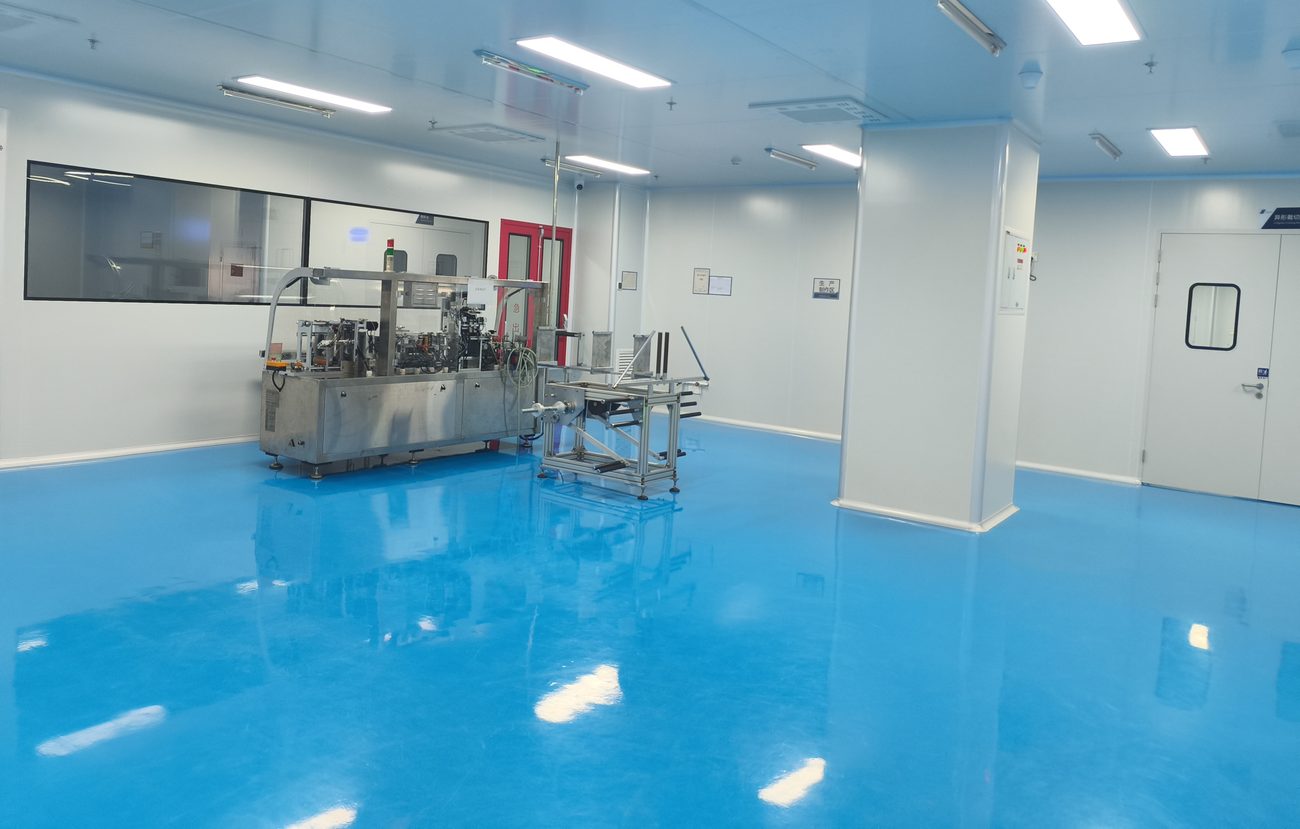 Inside our factory
Upgrade your substrate — sample a chitosan mask or pad
We're a 20-year oil-and-acne specialist making chitosan masks, pads and patches — in classic or vegan fungal chitosan — plus plain-nonwoven basics. Send a brief and we'll sample your format with a chitosan option.
Request free chitosan samples →Free sample set · 24-hour quote · MOQ from 3,000 · NNN before any brief
Educational content for brand and product teams. Ingredient and claim information is general and varies by market regulation; finished-product claims and ingredient status should be confirmed against the rules of your target market and a regulatory specialist before launch. In-vitro data is on the base material (commissioned, non-CMA) and does not constitute a finished-product efficacy claim. Yanse Cosmetics is a contract manufacturer (OEM/ODM) and does not sell finished consumer goods under its own brand.