A sheet mask is a delivery device with a twenty-minute window, and almost everything people are disappointed by comes from expecting it to behave like a treatment with a twenty-week one.
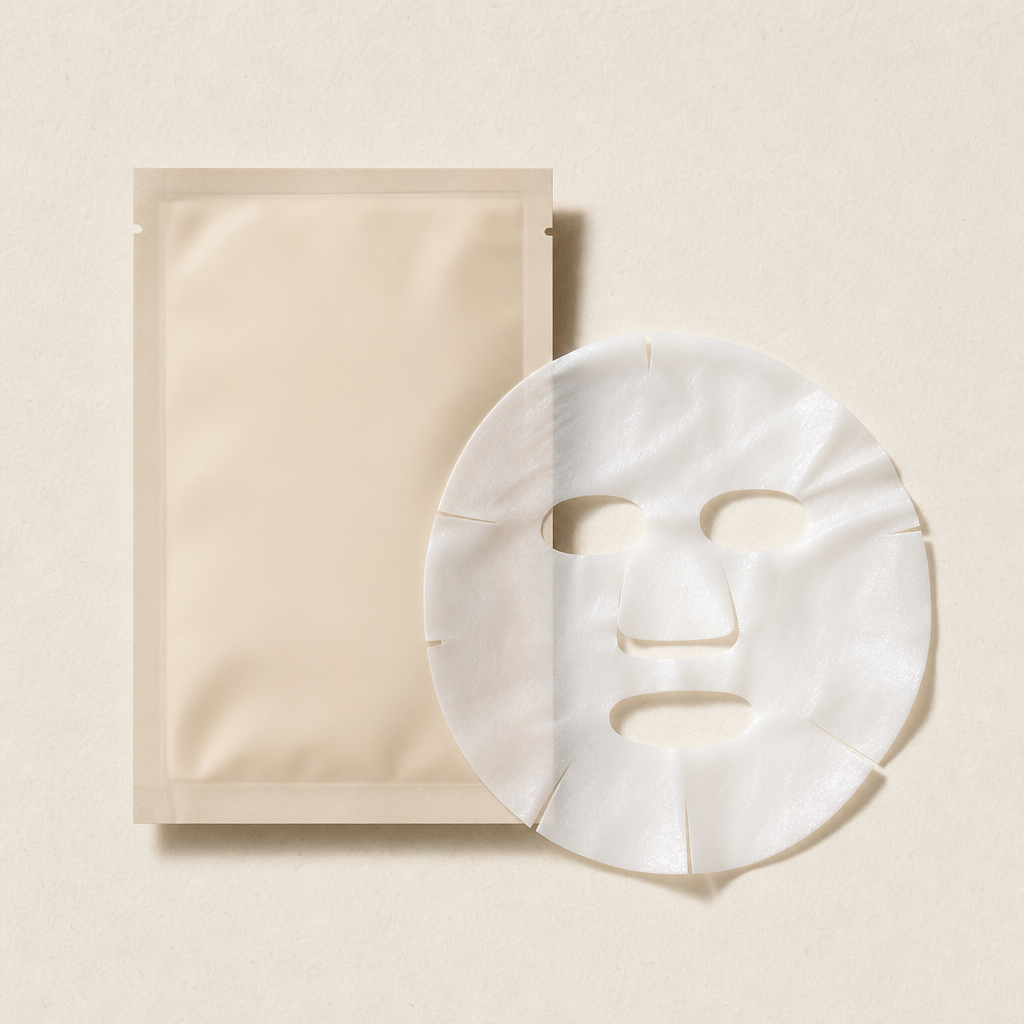 Sample image
What actually happens under the sheet
Two mechanisms, and the smaller one gets all the marketing.
Occlusion — the big one
A wet sheet held against skin stops water evaporating from the surface. Moisture accumulates in the upper layers, the skin swells slightly, texture looks smoother and fine dryness lines soften. This is real, immediate, and it is what people are actually seeing when they say a sheet mask worked.
Active delivery — the smaller one
Twenty minutes is a short window, and skin is a barrier that is good at its job. Some ingredients cross meaningfully in that time; many do not. The honest position is that a sheet mask is an excellent hydration event and a modest delivery vehicle, and any brand implying the reverse is selling the smaller mechanism as the larger.
The essence matters more than the cloth. Most of a sheet mask's cost and nearly all of its performance sits in the liquid. A premium substrate carrying a thin essence is a worse product than a plain substrate carrying a good one — and the substrate is the part brands photograph.
What they are genuinely good for
- An immediate, visible hydration boost — before an event, after a flight, after sun or wind exposure
- Soothing — a cool, wet, occlusive layer calms the feel of irritated or over-exfoliated skin
- Consistency of dose — every sheet carries the same amount, unlike a pump of serum
What they are not good for
- Cumulative treatment goals — pigmentation, texture, lines. Those need leave-on products used daily for months. A mask twice a week is not the same intervention.
- Strong actives — a high-strength acid or retinoid under twenty minutes of occlusion on the whole face is a route to irritation, not results
- Oily or congested skin, used often — heavy occlusion daily is not what that skin type needs, whatever the packaging says
The mistakes that waste one
| Mistake | Why it matters |
|---|---|
| Leaving it on until dry | A drying sheet reverses direction and pulls moisture back out. Take it off while it is still wet — this is the single most common error |
| Leaving it on far past the stated time | Same reason. Longer is not stronger |
| Washing your face afterwards | You just rinsed off the product |
| Not sealing afterwards | The mask hydrates; a cream on top is what makes it last past the afternoon |
| Using one on broken or actively irritated skin | Occlusion increases penetration of everything, including what is stinging |
Where hydrogel differs from a cloth sheet
Not a better product in every case — a different one:
- Contact — a gel sheet conforms continuously; woven fabric bridges over contours and leaves gaps. Occlusion is the mechanism, so contact quality decides most of the outcome
- Cooling — a gel is largely water, and water conducts heat far better than air trapped in fibre. The cold hit is real physics
- Drying — a cloth sheet dries from both sides; a gel holds water in a network and reverses later
- Cost — hydrogel is a more expensive format, which is why it sits at the premium end
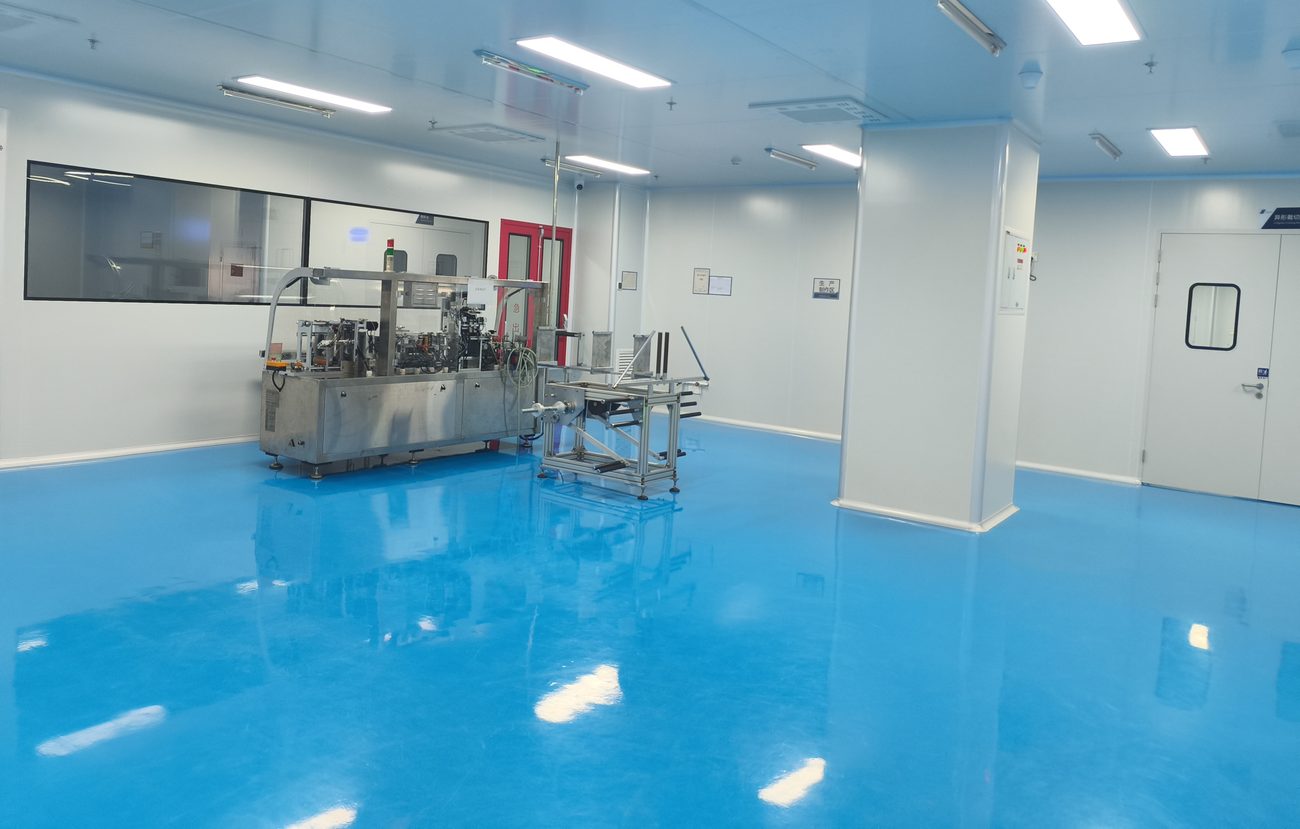 Inside our factory
Effects described are cosmetic and relate to the appearance and feel of skin. These products are not intended to diagnose, treat, cure or prevent any condition.
Developing a hydrogel product?
Yanse manufactures hydrogel eye patches, face masks and lip masks at our own ISO 22716 plant in Fujian — 8,000 m², Class-100,000 cleanroom, 11 QC checkpoints, audited on-site by L'Oréal, Watsons, MINISO and Mentholatum. Our hydrogel line is a three-head system, so two or three formulations can be laid down side by side in a single sheet. Plant-based gel system: halal and vegan compatible as standard.
Request samples & specifications →Three-zone capability · plant-based gel · halal & vegan compatible · 24-hour reply · NNN before any formulation work
Educational content for brand and product teams. Ingredient and claim information is general and varies by market regulation; finished-product claims should be confirmed against the rules of your target market. Yanse Cosmetics is a contract manufacturer (OEM/ODM) and does not sell finished consumer goods under its own brand. Trademarks referenced belong to their respective owners; no comparison or equivalence claim is made.