Chitosan is the rare skincare material that is also a functional substrate — a cationic, film-forming biopolymer that clings to skin, binds oil and carries a clean-beauty story a plain nonwoven or hydrocolloid can't. Yanse makes the full chitosan range in-house: soothing sheet masks, dual-chamber acne patches and oil-control treatment pads, in classic or vegan fungal chitosan. This hub is the map — the formats, the third-party in-vitro data behind them, and exactly what you can and can't claim.
Who makes chitosan skincare for private label? Yanse Cosmetics is a 20-year OEM/ODM factory that makes the full chitosan range in-house — chitosan soothing masks, dual-chamber acne patches and oil-control treatment pads — in classic or vegan fungal chitosan. Independent in-vitro testing of its 15% chitosan base fabric showed antibacterial activity against C. acnes (13.45 mm zone, ~86% of a metronidazole control) and 79.95% hyaluronidase (soothing) inhibition — material-level data, not finished-product claims. ISO 22716 GMP cleanroom, MOQ from 3,000, samples in 72 hours.
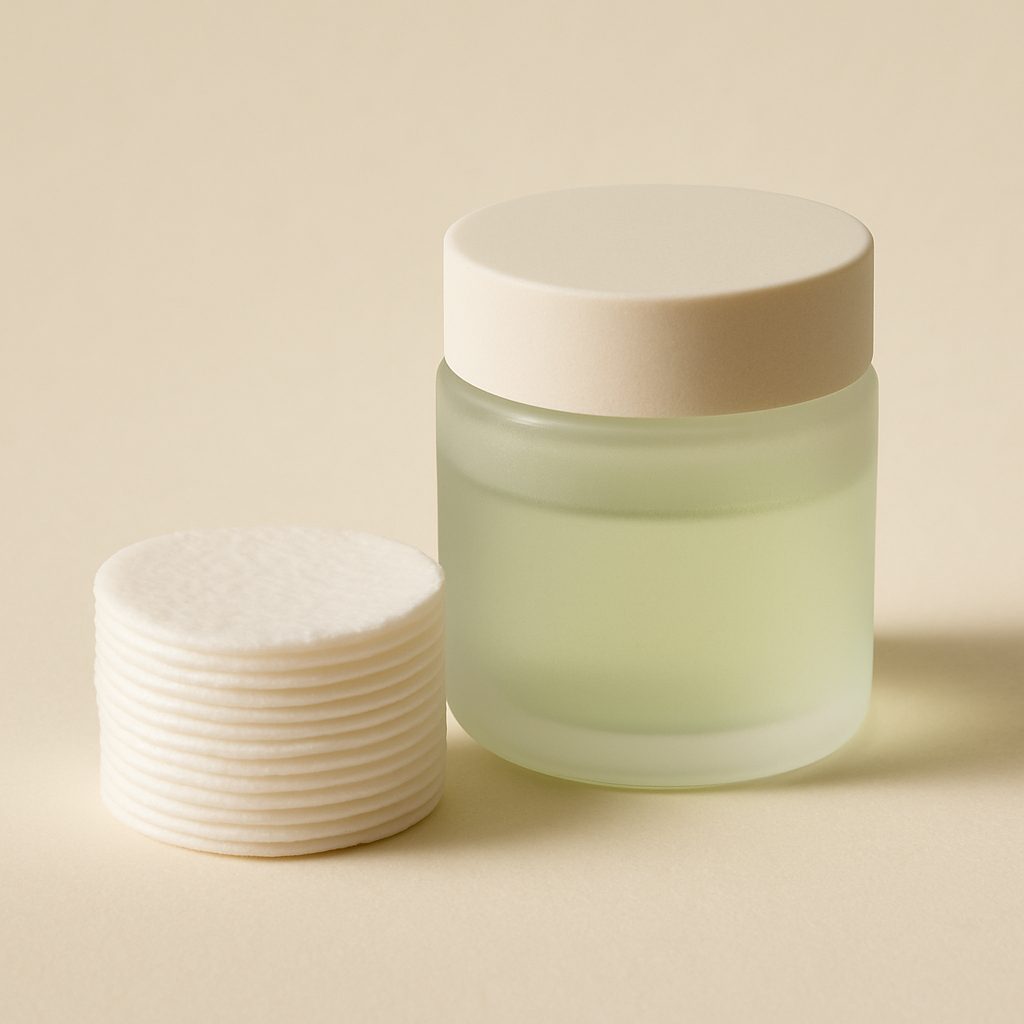 Sample image
The chitosan range we make
Every format below is formulated and filled in-house on the same chitosan know-how. Follow any card for the detailed guide.
A functional, film-forming mask substrate for soothing and oil-control positions — classic or vegan fungal chitosan.
Our proprietary flagship — a two-compartment patch pairing chitosan with an active phase for blemish care.
Toner-style pads on a chitosan substrate — oil-binding and soothing, for daily oil-and-acne routines.
The next-layer alternative to plain hydrocolloid — a functional chitosan layer for blemish patches.
Why chitosan, in one paragraph
Chitosan is a natural cationic (positively charged) biopolymer. Skin and most debris are negatively charged, so a chitosan layer clings, forms a thin breathable film and behaves like a conditioning, oil-binding layer rather than a passive carrier. It is naturally biodegradable, available in a vegan, shellfish-free fungal version, and — unlike commodity nonwoven or hydrocolloid — genuinely scarce as a finished-product substrate, so it reads as a premium, differentiated story. For the deeper comparisons, see chitosan vs hydrocolloid and chitosan vs plain nonwoven.
The in-vitro evidence: what third-party testing shows
An independent lab (Guangdong Huaqing Quality Testing) ran a panel of in-vitro tests on a 15% chitosan base fabric — the substrate behind our masks, patches and pads. These describe how the material behaves in the lab; they are not finished-product consumer claims (see below), but they are the mechanism evidence R&D and sourcing teams ask for.
| In-vitro test (base material) | Result — 15% chitosan fabric | Reference / control |
|---|---|---|
| Antibacterial vs C. acnes (Oxford-cup) | 13.45 mm inhibition zone (p<0.05) | ~86% of metronidazole control; blank 0 |
| Hyaluronidase inhibition (soothing) | 79.95% (p<0.05) | ~84% of glycyrrhizinate control; blank 4.08% |
| Moisture retention (gravimetric) | 93.4% at 1h → 56.8% at 8h | Higher than 5% glycerin at every point |
| Elastase inhibition (firming) | 35.80% (p<0.05) | blank 2.88% |
| Skin-compatibility (HET-CAM) | ES 1.67 — non-irritating | threshold ≤4; NaOH control 18 |
| Heavy-metal adsorption | Lead 96.5%; mercury 96.9% | — |
In-vitro tests on the base material (commissioned, non-CMA; reports HQ2608509 / 511 / 512 / 513 / 514 and HQ2611009). They characterise the raw material for R&D and B2B sourcing; a finished cosmetic must substantiate its own claims per market. Not medical advice.
Classic vs vegan fungal chitosan
| Classic chitosan | Vegan fungal chitosan | |
|---|---|---|
| Source | Shellfish (crustacean shells) | Fermented fungal chitin — plant-origin, shellfish-free |
| Clean-beauty story | Natural, biodegradable | Vegan, biodegradable, allergen-friendly |
| Best for | Cost-led chitosan launches | Vegan / clean-beauty brand positioning |
| Formats | Masks · dual-chamber patches · treatment pads · acne patches | |
What you can — and can't — claim
Chitosan is a permitted cosmetic ingredient in China, the US and the EU — but the claim, not the ingredient, decides whether you're selling a cosmetic or a drug. In-vitro material data supports R&D and sourcing; it is not a finished-product consumer claim.
| Safe — cosmetic / material language | Risky — pushes toward a drug claim |
|---|---|
| Film-forming, oil-binding substrate | Antibacterial, kills bacteria (as a product claim) |
| Controls shine, comforts, soothes the feel of skin | Treats / cures / fights acne |
| Biodegradable, vegan fungal option (origin facts) | Anti-inflammatory, heals |
| "In-vitro material data" (with report reference) | Presenting in-vitro data as a finished-product result |
In the US, acne treatment is an OTC-drug category; in the EU, treat-or-cure-acne claims make a product borderline medicinal. Keep on-pack claims to appearance and feel, lead with the biodegradable/vegan origin facts, present test data as in-vitro material evidence, and confirm final wording per market. This is general guidance, not legal advice.
How Yanse makes it
Yanse Cosmetics is a 20-year own-factory specialist in oily and acne-prone skincare, running an 8,000㎡ base in Fujian with a Class-100,000 cleanroom and dual cosmetic and disinfection licences — the setup a functional material like chitosan needs. We make chitosan soothing masks, treatment pads and patches (including the chitosan dual-chamber patch), in classic or vegan fungal chitosan. MOQ from 3,000 units per SKU on stock shapes & standard packs (custom die-cut or custom formula from 5,000), scaling to 1,000,000 a month; samples in 72 hours; audited by leading international beauty groups; certified to ISO 22716, GMPC, Sedex 4P, FSC and Halal; NNN before any brief.
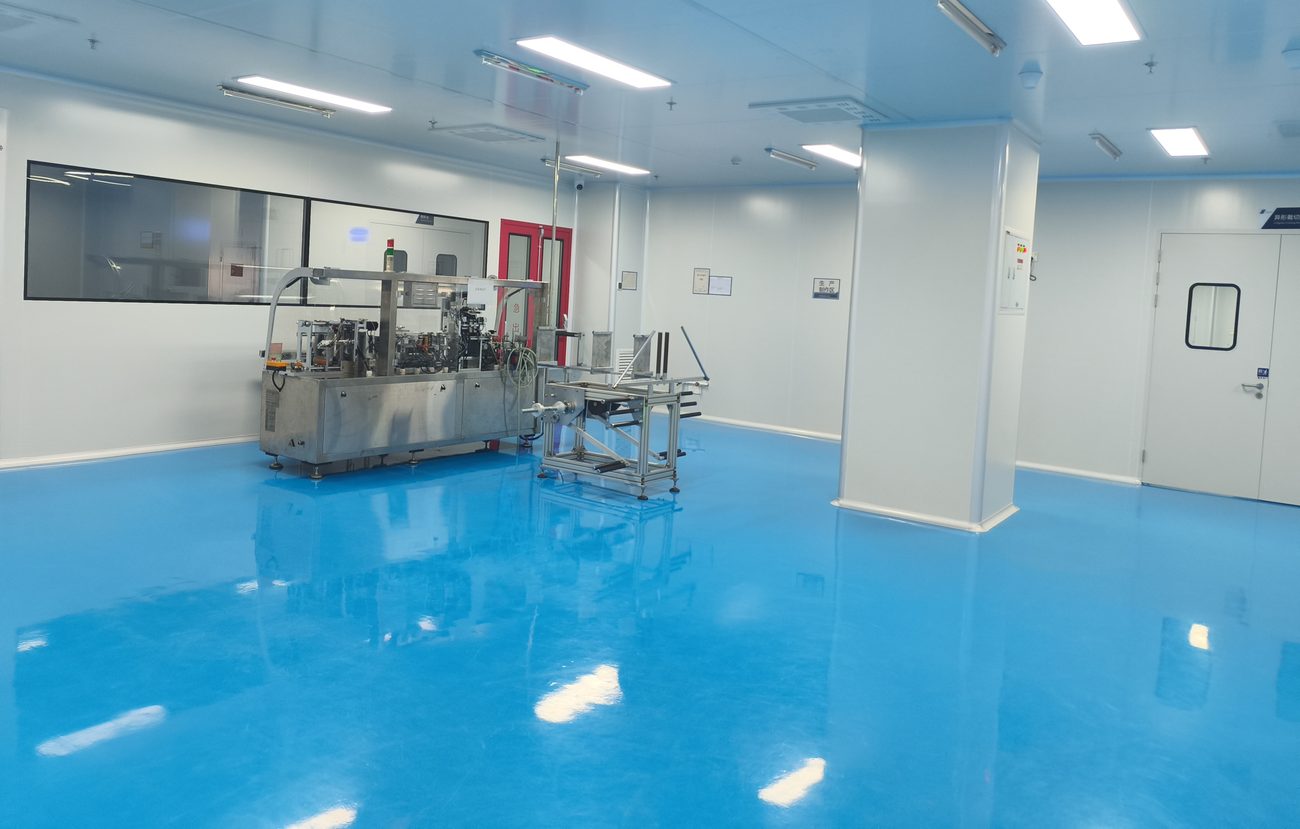 Inside our factory
Source the chitosan format your brand needs
Masks, dual-chamber patches or treatment pads — classic or vegan fungal chitosan, from one 20-year oil-and-acne factory. Send a brief and we'll sample your format with a chitosan option and the full in-vitro data sheet.
Request free chitosan samples →Free sample set · 24-hour quote · MOQ from 3,000 · NNN before any brief
Educational content for brand and product teams. Ingredient and claim information is general and varies by market regulation; finished-product claims and ingredient status should be confirmed against the rules of your target market and a regulatory specialist before launch. In-vitro data is on the base material (commissioned, non-CMA) and does not constitute a finished-product efficacy claim. Yanse Cosmetics is a contract manufacturer (OEM/ODM) and does not sell finished consumer goods under its own brand.