This is the one category where the honest answer is more positive than people expect. Lips are anatomically worse at holding water than any other skin on your face — which means an occlusive layer has more to work with there than anywhere else.
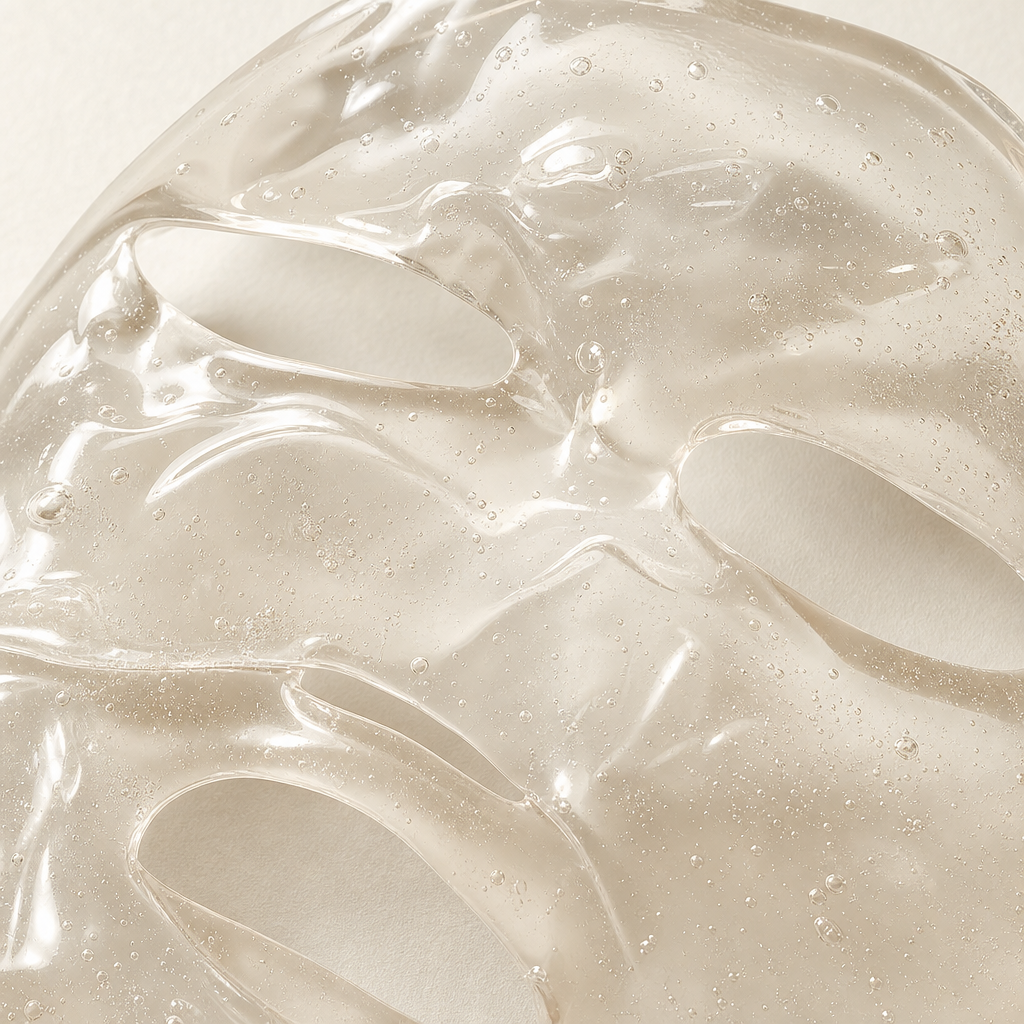 Sample image
Why lips are different
Two anatomical facts drive everything about this category:
- Lips have no sebaceous glands. The rest of your face produces its own oil film that slows water loss. Lips do not, so they have no built-in occlusion.
- The barrier layer is thinner. The stratum corneum on the lip is markedly thinner than on facial skin, so water crosses it and evaporates faster.
The result is that lips lose water quickly and have nothing to stop it. That is why they chap while your cheeks do not, and it is also why an occlusive treatment produces a more obvious result on lips than the same principle produces on a face.
A lip mask works by supplying the barrier lips do not have. It is not doing anything exotic — it is doing something basic, in the one place where the basics are missing. A shortlist of capable makers — and the colourant question that tests a supplier in a day — is in the lip mask sourcing guide.
Two products, one name
| Overnight lip mask (balm) | Hydrogel lip patch | |
|---|---|---|
| What it is | A thick occlusive balm in a jar | A wet gel sheet in a sachet |
| How it works | Seals for hours while you sleep | Seals and donates water for 15–20 minutes |
| Best at | Repairing genuinely chapped lips over nights | A fast, visible improvement before an event |
| Result timing | Cumulative, better each morning | Immediate, fades over hours |
Both are called lip masks and they solve different problems. If your lips are cracked, the balm is the answer. If you want them to look their best in an hour, the patch is.
What they genuinely do — and do not
Hydration and softness — yes, clearly
This is the well-founded claim. Occlusion reduces water loss, water content rises in the surface layers, lips feel softer and look smoother. On lips this is more visible than the same effect elsewhere, for the reasons above.
The look of fine vertical lines — yes, temporarily
Those lines are largely a dryness phenomenon. Hydrate the surface and they soften. Let the lips dry out and they come back. Real, and not permanent.
"Plumping" — yes, but understand what it is
Two mechanisms, both temporary. Water uptake swells the tissue slightly. And many plumping products include a mild irritant — capsaicin, menthol, cinnamon derivatives — that causes a small inflammatory swelling. The second one is not skincare; it is controlled irritation, and it is why some plumping products sting. Nothing wrong with wanting the effect, but it is worth knowing which one you bought.
Permanent volume — no
Nothing topical changes lip volume durably. Anything implying otherwise is describing the temporary mechanisms above in more ambitious language.
How to use one properly
- Exfoliate gently first if flaking — an occlusive layer over dead flakes seals in the flakes. Once, gently; over-scrubbing lips makes the problem worse.
- Patch: 15–20 minutes, then pat in the residue. Do not let it dry on the lip — a drying gel starts pulling moisture back.
- Balm: apply generously at night. A thin layer is not an occlusive layer.
- Do not lick. Saliva evaporates and takes lip moisture with it, which is why lip-licking makes chapping worse rather than better.
- Reapply through the day if lips are chapped. The effect ends when the layer does.
Persistent cracking, especially at the corners, is worth showing to a clinician rather than treating with more product — it can have causes that occlusion will not fix.
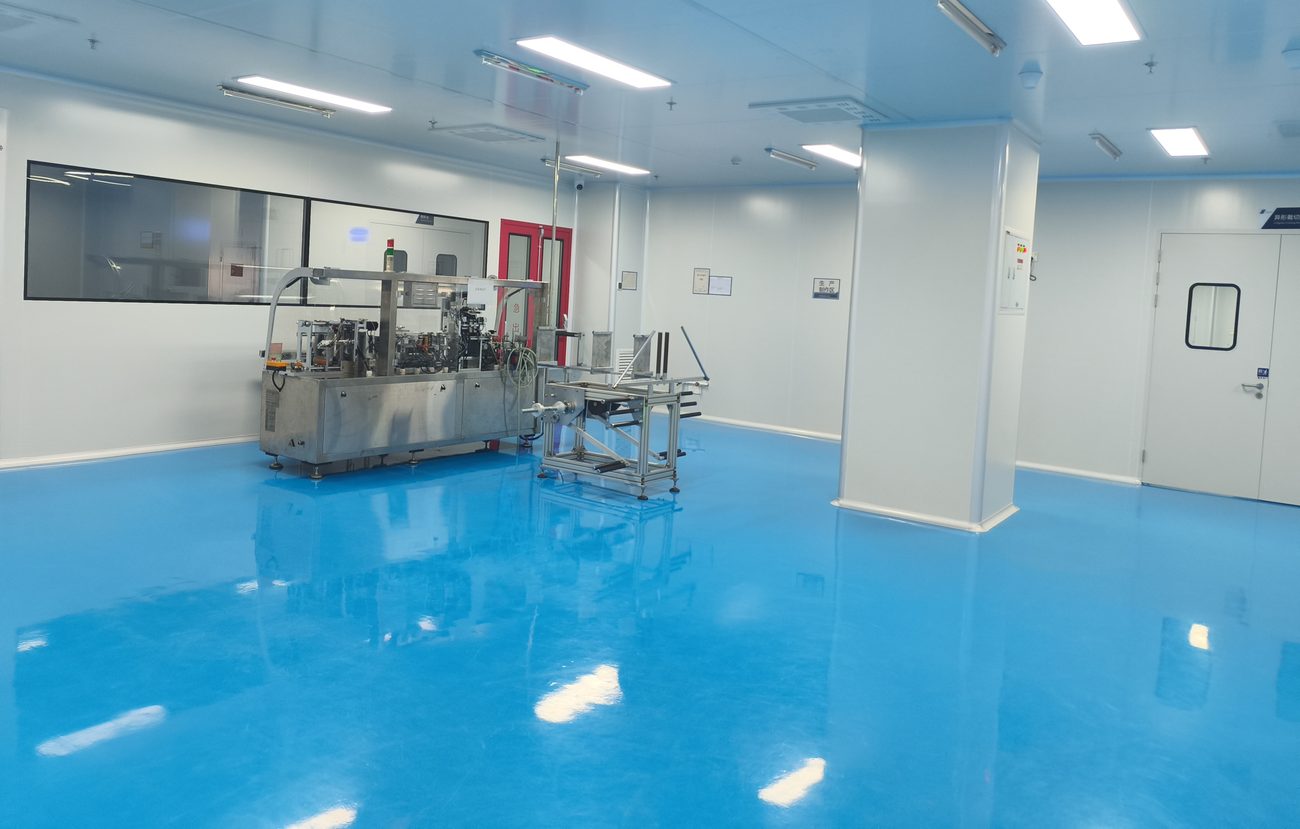 Inside our factory
Effects described are cosmetic and relate to the appearance and feel of the lips. These products are not intended to diagnose, treat, cure or prevent any condition.
Developing a hydrogel product?
Yanse manufactures hydrogel eye patches, face masks and lip masks at our own ISO 22716 plant in Fujian — 8,000 m², Class-100,000 cleanroom, 11 QC checkpoints, audited on-site by L'Oréal, Watsons, MINISO and Mentholatum. Our hydrogel line is a three-head system, so two or three formulations can be laid down side by side in a single sheet. Plant-based gel system: halal and vegan compatible as standard.
Request samples & specifications →Three-zone capability · plant-based gel · halal & vegan compatible · 24-hour reply · NNN before any formulation work
Educational content for brand and product teams. Ingredient and claim information is general and varies by market regulation; finished-product claims should be confirmed against the rules of your target market. Yanse Cosmetics is a contract manufacturer (OEM/ODM) and does not sell finished consumer goods under its own brand. Trademarks referenced belong to their respective owners; no comparison or equivalence claim is made.