Short answer: in beauty, blotting paper is used to take excess oil off skin without taking off — or adding — anything else. That one property is why it is used in half a dozen specific moments, and why it is also the wrong tool for several jobs people try to give it. The same name is used for some quite different papers outside cosmetics, so it is worth separating those first.
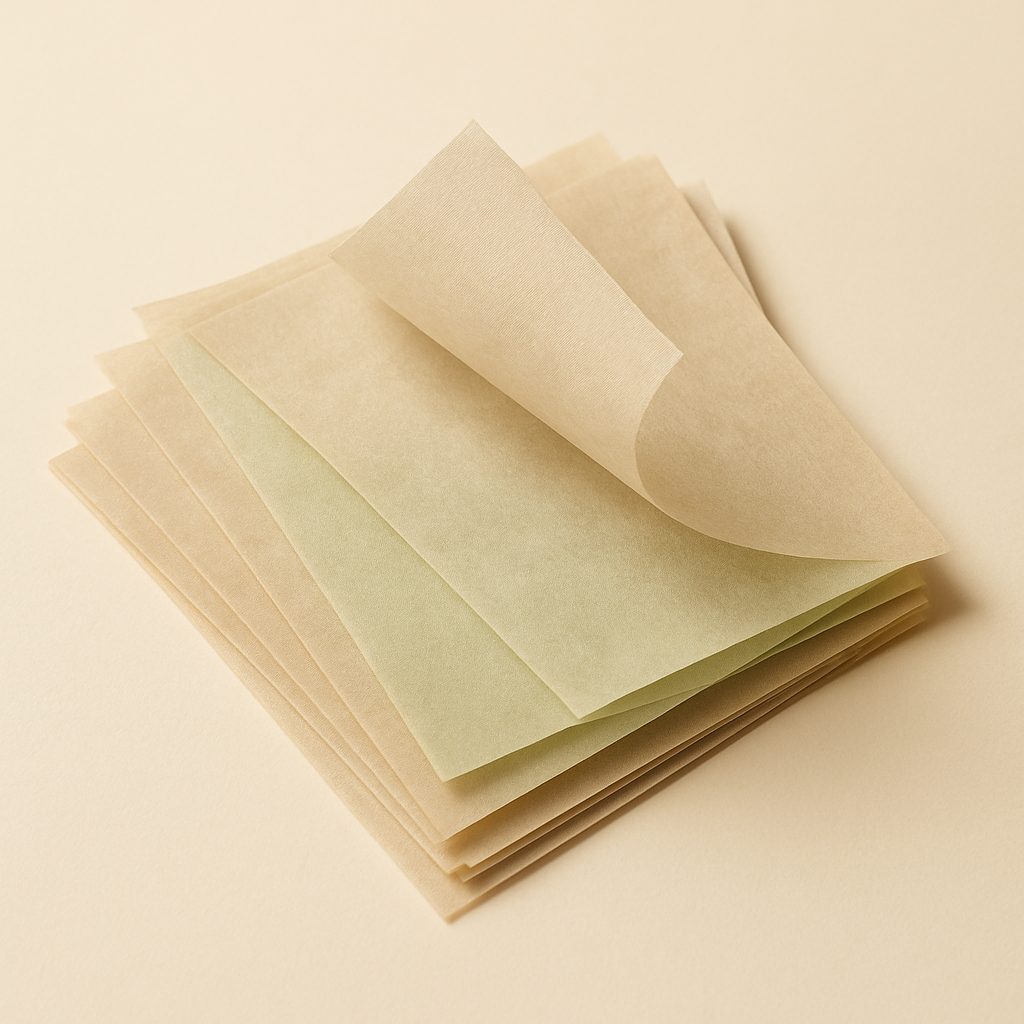
Cosmetic blotting paper (also called oil blotting paper or oil-absorbing sheets) is a thin sheet of absorbent fibre — abaca, linen, rice, hemp, cotton, bamboo — or a micro-porous film, made under cosmetic GMP for use on skin. Laboratory, art and craft blotting papers are thick absorbent cellulose sheets for soaking up liquids, ink or moisture. Both work by absorption; they are not interchangeable, and the lab and craft kinds should never go on your face.
 Sample image
The cosmetic uses
Use 01 Midday shine on the T-zone
The core use. Forehead, nose, chin and the sides of the nose produce the most sebum and turn shiny first, usually a few hours after you get dressed. A press of a sheet removes that oil in seconds, with no product added and no water needed — which is why it is the standard alternative to washing your face at lunchtime.
Use 02 A makeup touch-up that doesn't add a layer
Most shine fixes work by putting something on top. Blotting works by taking something off, so nothing accumulates across a long day. The caution: a plain sheet cannot tell sebum from foundation and will lift a little of both, which can leave the finish looking flat. A powder-coated sheet is designed for this exact moment — it blots and leaves a fine veil of setting powder in the same press.
Use 03 Before re-applying powder
Powder pressed onto an oily surface is what produces the patchy, cakey look people blame on the powder. Blotting first gives the powder clean skin to sit on, so you need far less of it and the result lasts longer.
Use 04 Heat, humidity, commuting and sport
Any situation where skin gets warm and wet. Note that sweat and sebum are different problems: sweat is mostly water and saturates a light sheet almost immediately, so in real heat a heavier sheet or a film copes far better. Blot sweat first, let skin settle, then deal with oil.
Use 05 On camera, and before anything that matters
Shine reads much stronger through a lens and under event lighting than it does in a mirror, which is why blotting sheets are standard in a makeup artist's kit and backstage. The same applies to a meeting, an interview or a photo — it is the fastest reset available that needs no mirror skill and no water.
Use 06 Grooming without a makeup routine
Blotting has nothing to do with wearing makeup, which is why it has become a quiet staple in men's grooming and in minimal routines. There is nothing to match, blend or reapply — you press and move on.
What it is not used for
Being straight about the limits is what keeps expectations sensible:
| People try to use it for | Reality |
|---|---|
| Cleansing | It removes surface oil only. It will not take off makeup, sunscreen, dirt or pollution, and it is not a substitute for a cleanser. |
| Treating acne | It is not a treatment and contains no actives. It can be a gentler midday option than repeated washing, but it does not clear congestion or breakouts. |
| Reducing oil production | Sebum output is driven by hormones, genetics, heat and humidity. Blotting only takes away what has already reached the surface. |
| Reuse | A used sheet is already holding oil, so a second pass mostly redistributes it. Sheets are single-use by design. |
| Exfoliating | Rubbing a sheet to "buff" skin is the main way people irritate themselves with a blotting paper. Press and lift — never drag. |
Baking parchment, lab filter paper, notebook paper and toilet tissue all get suggested as stand-ins. They are not made for skin contact, they shed fibres, they absorb unevenly and several are coated for a completely different purpose — parchment is sized to resist fat, which is the opposite of what you want. A clean unscented tissue is the only tolerable emergency option, and it will drag makeup.
The non-cosmetic uses, briefly
If you arrived here looking for a different kind of blotting paper, these are the main ones, and they are genuinely different products: laboratory blotting and filter papers, used to soak up liquid or transfer samples; calligraphy and fountain-pen blotters, used to absorb wet ink so it cannot smudge; and flower pressing sheets, used to draw moisture out of petals while they flatten. All three rely on thick, highly absorbent cellulose. None is manufactured to cosmetic standards, and none belongs on skin.
 Inside our factory
Which sheet for which use
Once you know which moment you are buying for, the format follows:
- Bare or light makeup — a plain natural-fibre sheet; pick the fibre you like the feel of.
- Full makeup — powder-coated, so the blot re-sets the finish instead of stripping it.
- Heavy oil or long days — micro-porous film, which holds more per sheet and turns clear where it has worked.
- Sensitive or breakout-prone skin — rice or an ultra-soft finish, unscented, pressed never rubbed.
For a fuller walk through the materials, see how to judge a blotting paper by its material, or the skin-by-skin version in best blotting paper for oily skin. For technique, how to use blotting paper without ruining makeup.
"What is it used for" is a genuine first-time-buyer question, and the answer is also a packaging brief: the use case you name on the front decides the format inside. A pack sold for midday shine wants a plain sheet and a slim booklet; a pack sold as a makeup touch-up wants a powder-coated sheet and a case you can open one-handed.
Making blotting paper for a specific use?
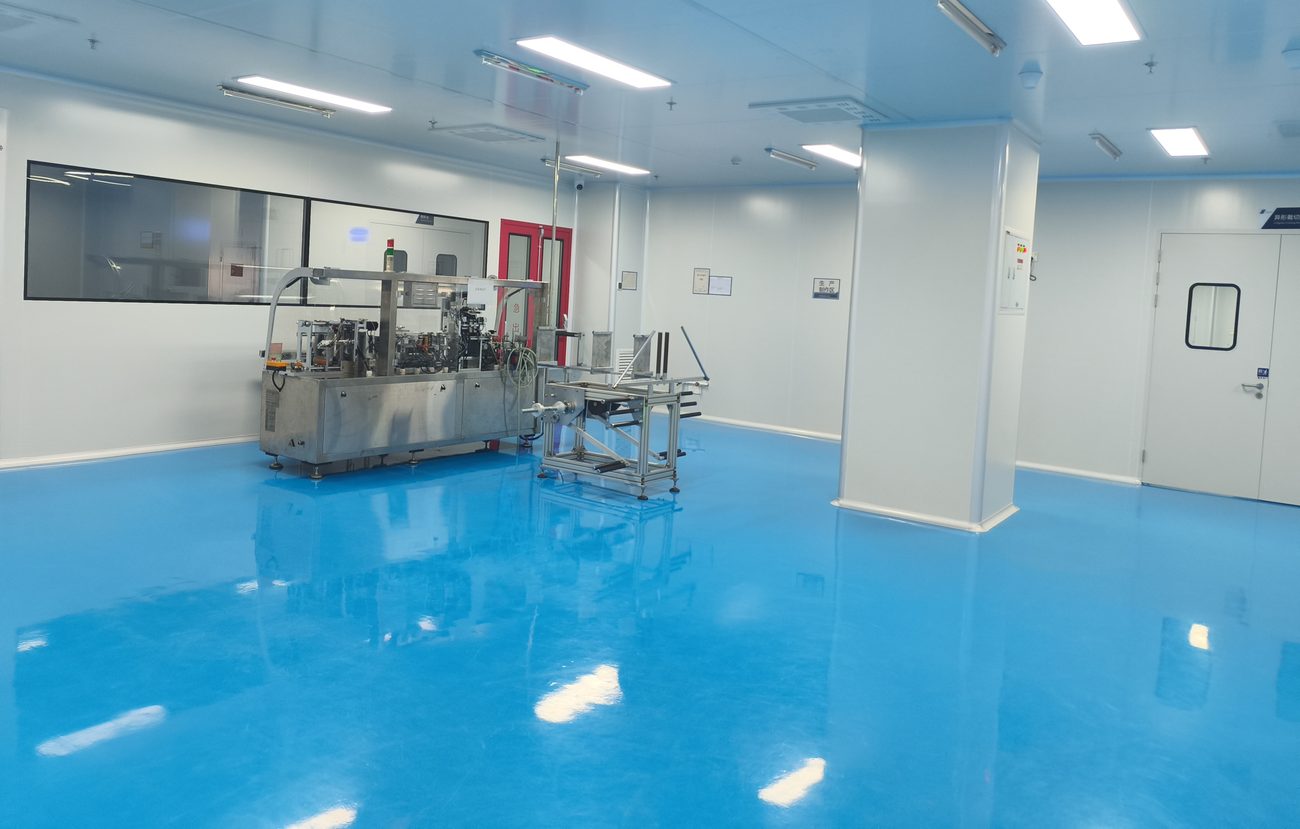
We have made oil blotting paper since 2006 — plain natural fibres, charcoal and green tea, powder-coated 2-in-1 sheets and micro-porous film, on substrate we make ourselves. Tell us the moment you are designing for.
Request free samples →Free sample set · 24-hour quote · MOQ from 3,000 · 72-hour sampling
Educational content for brand and product teams. General skincare information, not medical advice. Ingredient and claim information varies by market regulation; finished-product claims should be confirmed against the rules of your target market. Yanse Cosmetics is a contract manufacturer (OEM/ODM) and does not sell finished consumer goods under its own brand.